
Blog
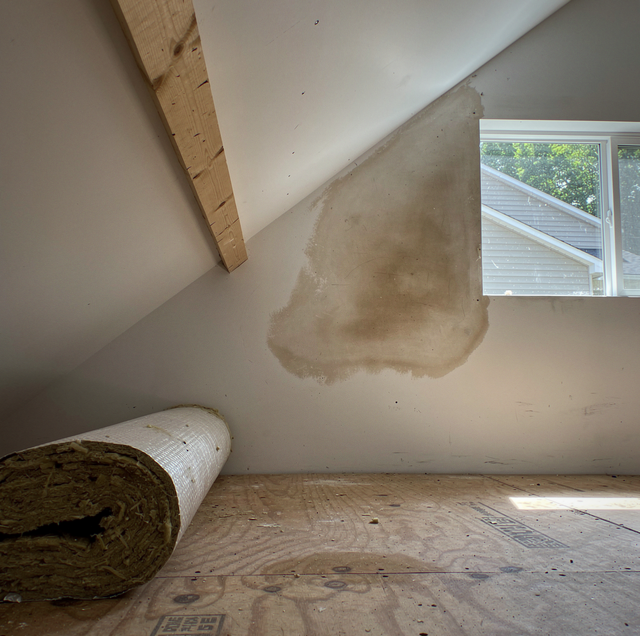
What Causes Roof Flashing to Leak? A Diagnostic Guide
A hard rain rolls through, and a day or two later a homeowner spots it: a faint brown ring spreading across the ceiling near the chimney, or a damp line creeping down the drywall under a skylight.
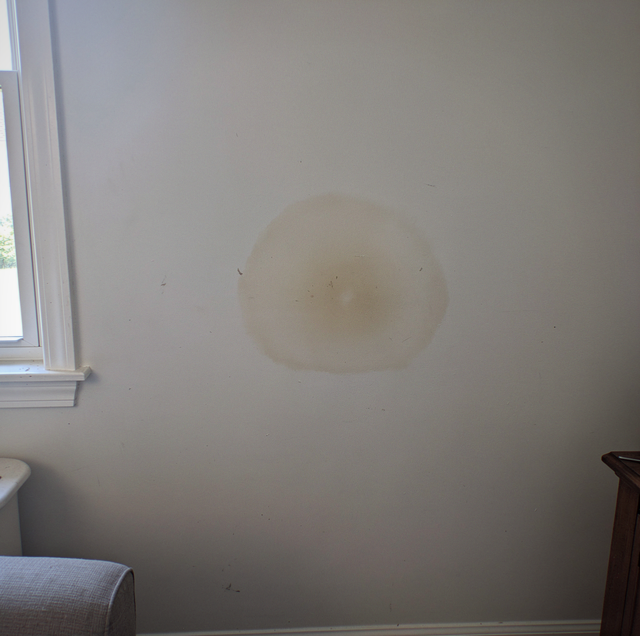
Signs of Water Damage Behind Walls or Siding: What Your Home Is Telling You
A wall can look fine from across the room and still be soaking wet three layers down.
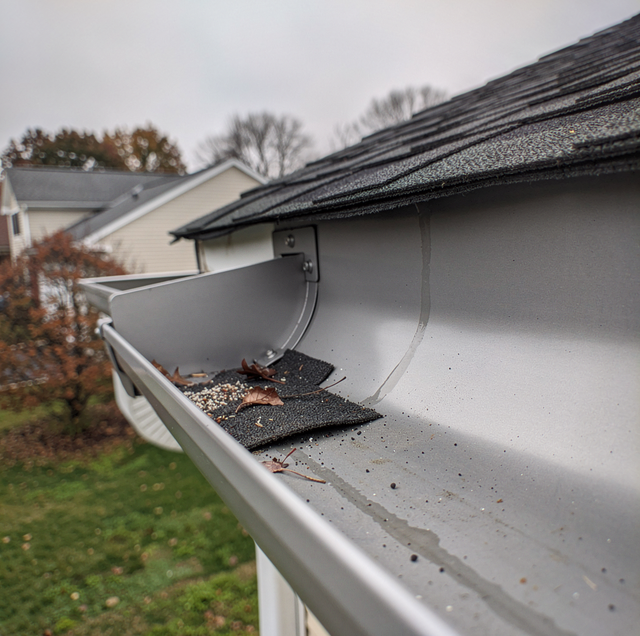
How to Spot Storm Damage on Your Roof Before It Becomes a Leak
The wind dies down sometime before dawn, and you step outside with a cup of coffee to survey the damage.
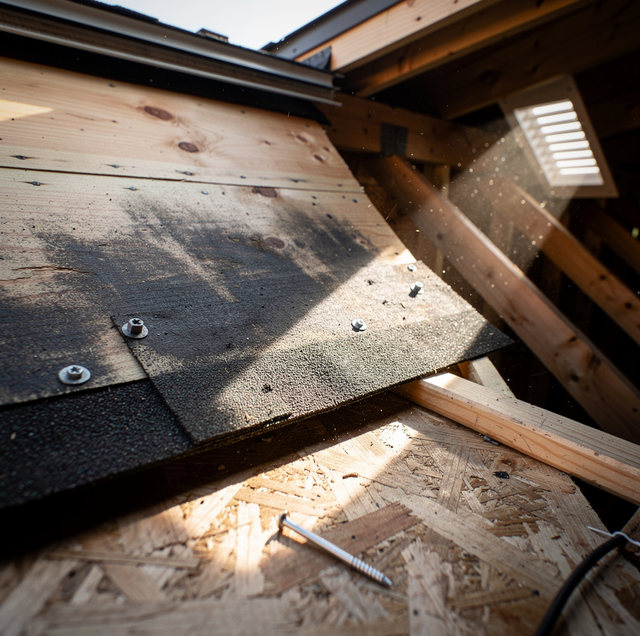
How Roof Ventilation Affects Shingle Life (And Cuts It Short)
A shingle warranty is written for a roof that breathes. Manufacturers test their products assuming a specific amount of air moves through the attic below, carrying heat and moisture out before either can cause damage.
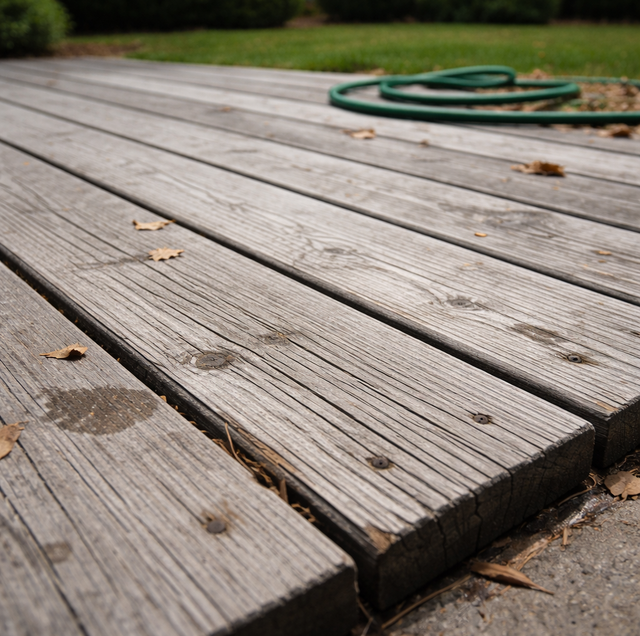
Why Is My Deck Graying and Splintering? The Real Cause
You walk out barefoot on a summer morning, and the deck that used to be warm and honey-colored is now a dull silver-gray, with tiny fibers lifting off the surface that catch on your feet.
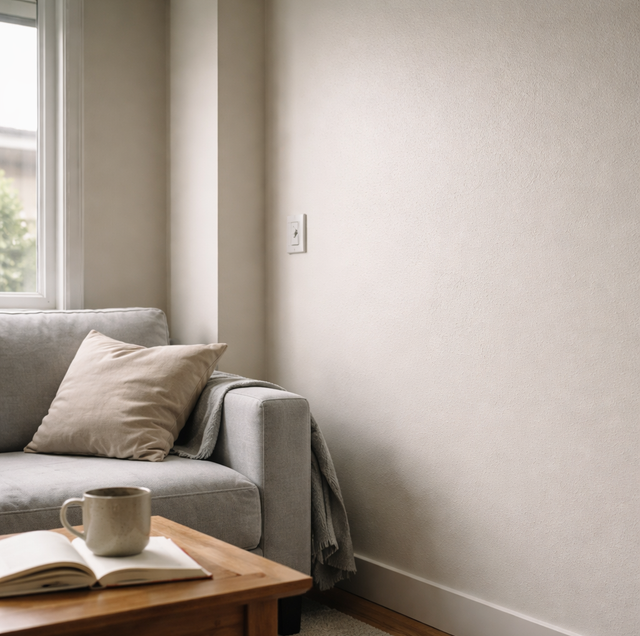
Which Paint Sheen for Each Room: A Simple Guide
Paint color gets all the attention, but sheen is the choice that decides whether a wall wipes clean or looks scuffed after a month.
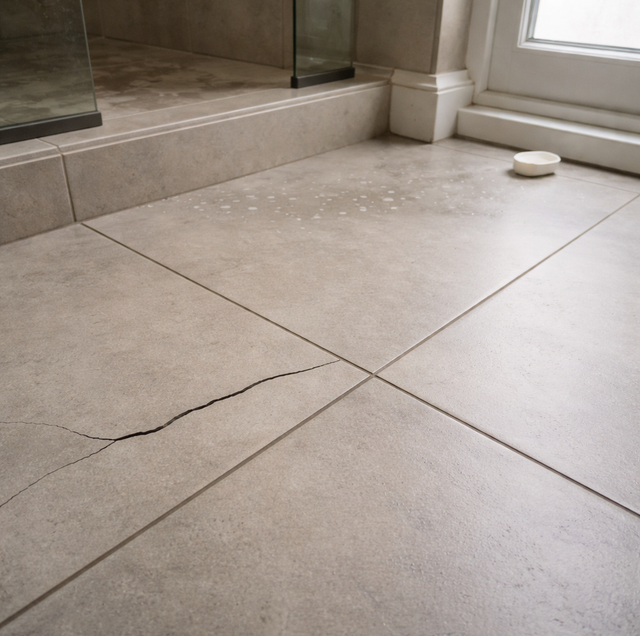
What Causes Tile and Grout to Crack? 5 Hidden Reasons
You wipe down the floor, and there it is again: a hairline running through the grout, or a tile that has split clean across for no reason you can name.
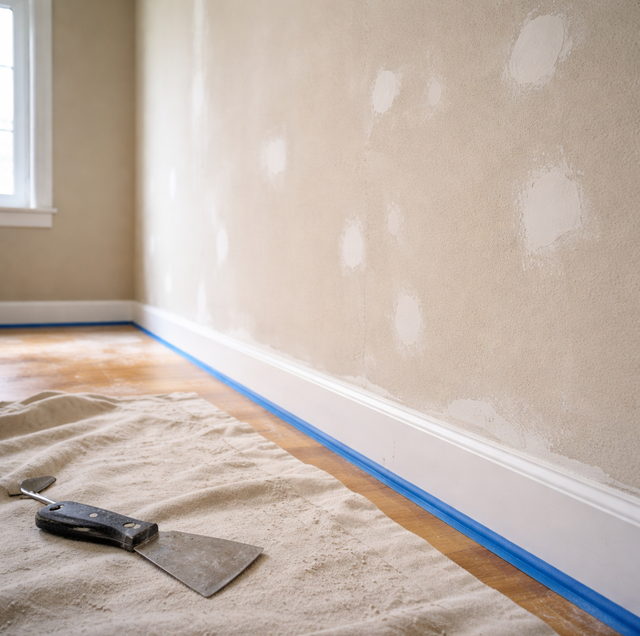
How to Prep Walls for Painting: The 80% That Decides Everything
A fresh coat of paint gets all the attention, but the finish you actually see is decided long before the roller touches the wall.
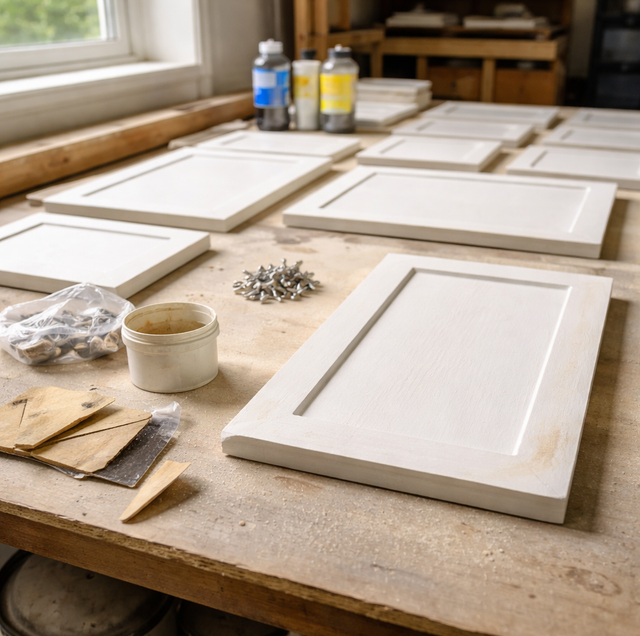
How to Paint Kitchen Cabinets for a Finish That Lasts
Kitchen cabinets take more punishment than almost any other painted surface in a home. Fingers drag across the doors near the pulls, cooking grease drifts up and settles into the finish, and steam from the sink and stove keeps the wood cycling between damp and dry.
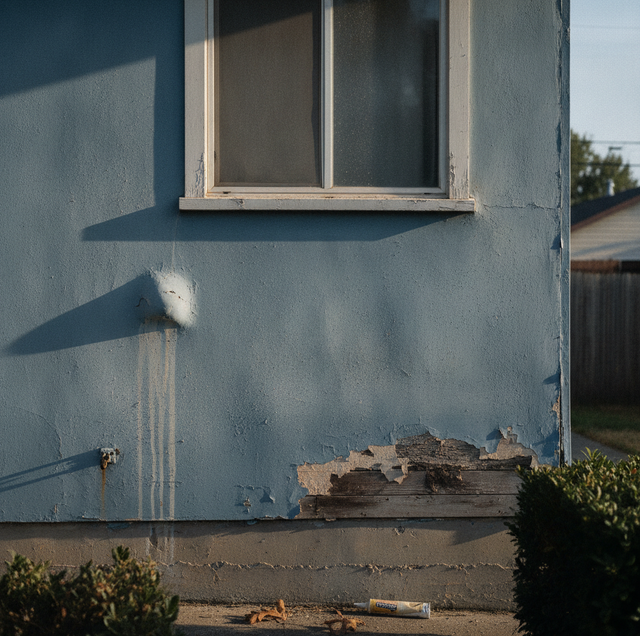
Why Does Harsh Weather Wear Out Exterior Paint So Fast?
You had the house painted a few years ago, and already the south wall is chalky and faded, the trim is flaking, and a blister has lifted near a window. It feels too soon, and you start to wonder whether the painter cut a corner or the paint was no good. Sometimes that is the answer, but often the real culprit is the weather doing exactly what weather does to a coating exposed to it every day.
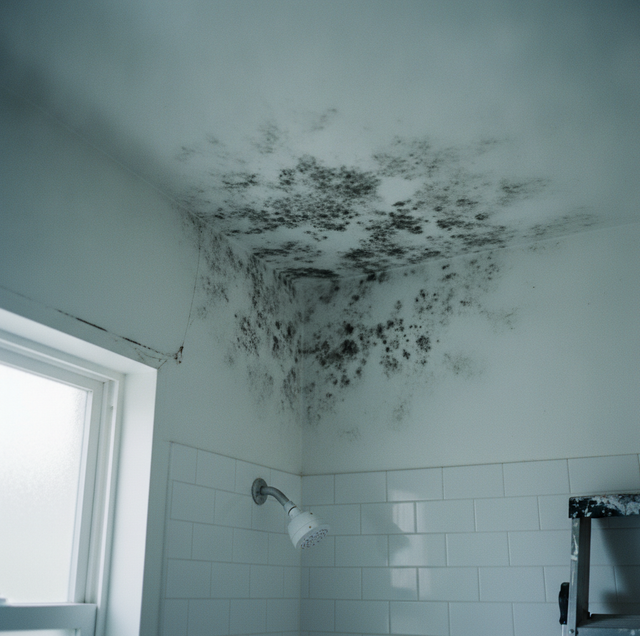
Why Does Paint Mildew on Bathroom Ceilings? The Real Cause
You wipe the ceiling clean, put a fresh coat over it, and within a few months, the same gray-black speckling creeps back, worst right above the shower and in the corners. It is not bad luck, and it is not a flaw in the paint you bought. That spotting is mildew, a surface mold, and it keeps returning because the ceiling gives it everything it needs to live. Until you change the conditions, any coat you apply is just a fresh meal.
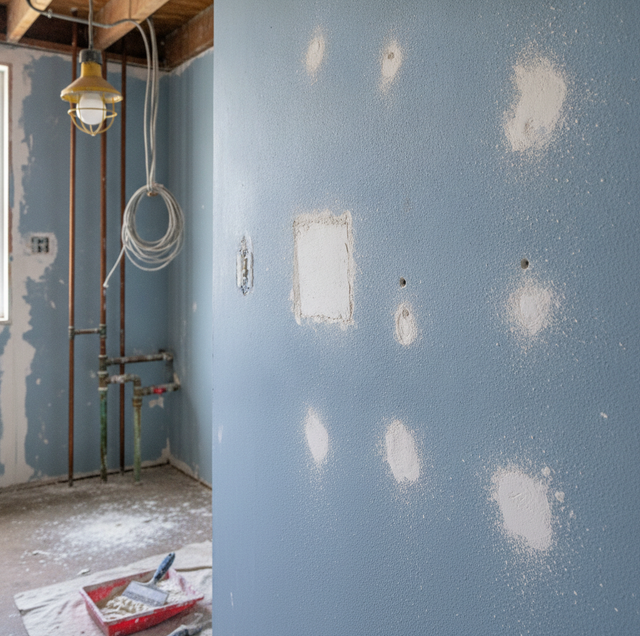
Primer vs. Paint-and-Primer-in-One: When Each One Wins
Walk down the paint aisle, and you will see two things fighting for the same shelf space: cans labeled primer, and cans that promise paint and primer in one. It is a fair question to ask whether the second one lets you skip a whole step. Sometimes it does. Often it does not. The answer depends entirely on what is under your brush, and understanding what a primer is built to do makes the choice obvious before you ever open a can.
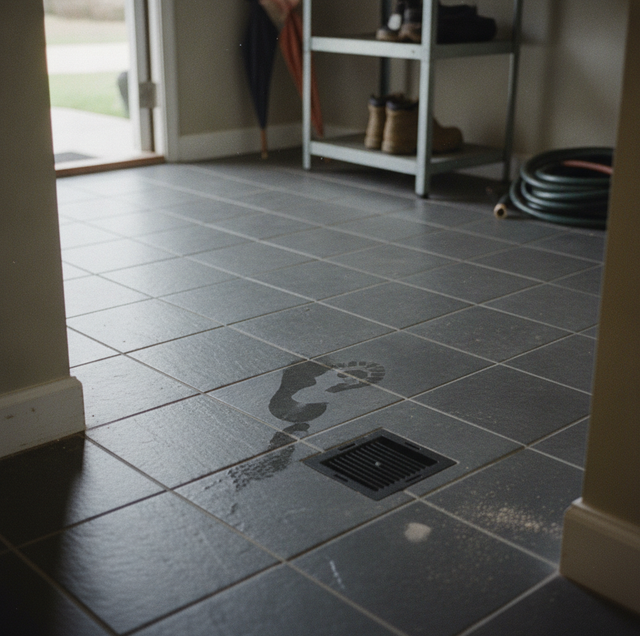
Durable Flooring for High-Traffic Rooms: What Lasts
Walk your house barefoot, and you'll feel where the wear lives. The entry where shoes land, the kitchen where you pivot at the sink, the hallway everyone funnels through, the mudroom that catches wet boots. These rooms take more abuse in a month than a guest bedroom sees in a year, and the flooring you pick for them has to survive three separate kinds of punishment: scratches from grit and claws, dents from heavy furniture and dropped objects, and moisture from spills and tracked-in water. A floor that shrugs off one of those can fail badly at the other two. Picking well starts with knowing which stress a given room actually delivers, then matching the floor's specs to that stress instead of to the swatch that looks nicest in the showroom.

Cabinet Painting vs. Replacing: Which One Wins?
Stand in your kitchen and open a few cabinet doors. If the boxes are square, the shelves hold weight, and the drawers still glide, but the color is dated, and the doors are scuffed, you are looking at a finish problem, not a structure problem. That distinction is the whole decision. Painting solves a finish problem. Replacing solves a structure or layout problem. Most of the time, people reach for the most disruptive answer to a simple finish question, so it helps to figure out which question you have before anything gets torn out.
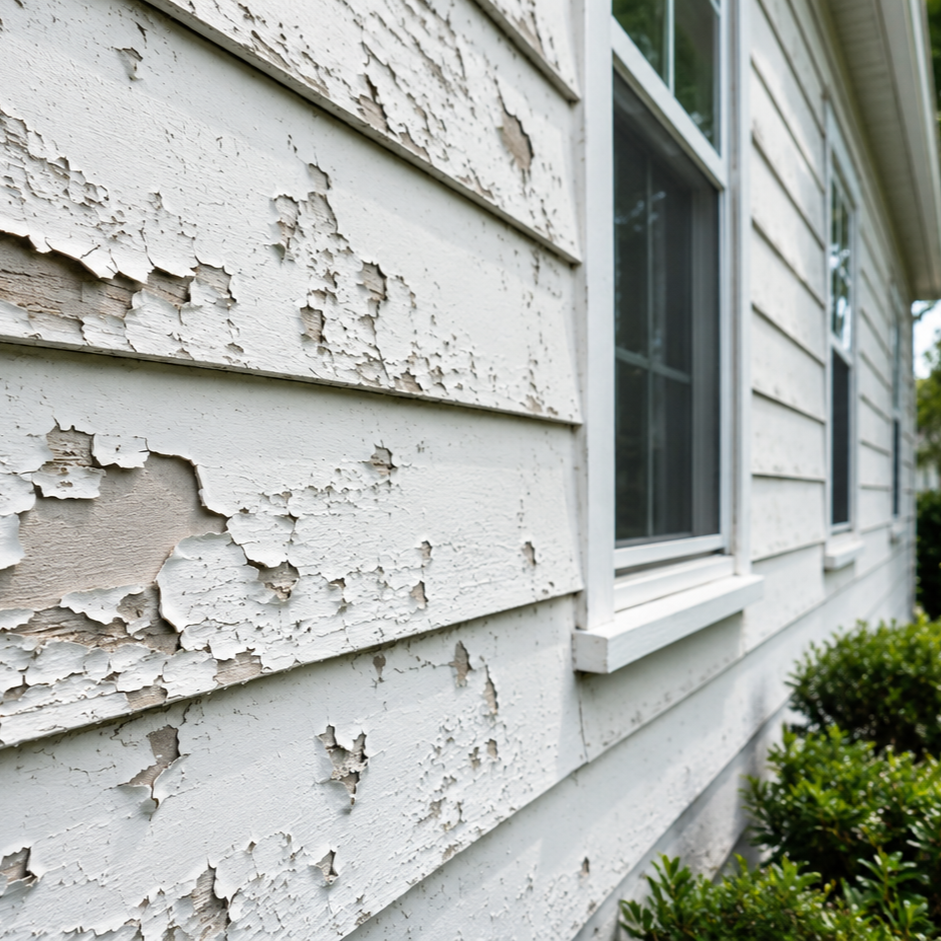
Why Your Exterior Paint Is Peeling After Just a Few Years
A paint job is supposed to last years, so when it starts peeling after just two or three, it feels like you got ripped off — and often, something did go wrong. Paint doesn't peel early on its own. Premature peeling is almost always a sign that the paint never bonded properly or that something is actively pushing it off the surface. The cold and storms get blamed, but in a few-year-old job, the real cause is usually traceable to how it was done or a moisture issue behind it. Knowing the causes is how you keep the next job from failing the same way.
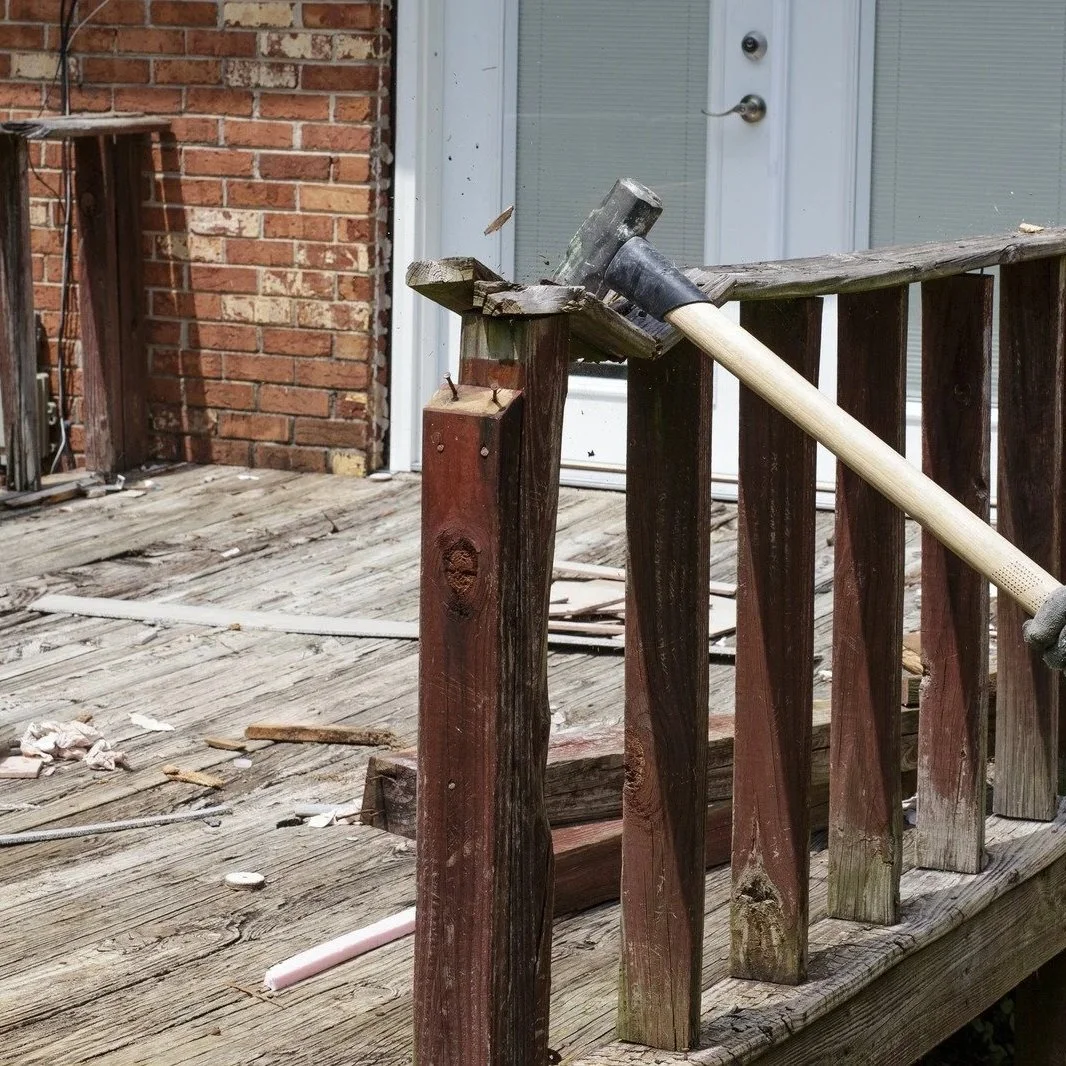
Signs Your Deck Is Becoming Unsafe (Before Someone Gets Hurt)
A deck spends its whole life outdoors, taking the weather, and in Maryland, that means rain, humidity, snow, and freeze-thaw, all working on the wood and the connections year-round. Most of the time, a deck looks fine right up until a board flexes underfoot or a railing gives a little when you lean on it. Those moments are warnings. Knowing the signs that a deck is becoming unsafe — and acting on them before they turn into a failure — is what keeps a backyard gathering from ending in an injury.
Interior vs Exterior Paint: What’s Actually Different
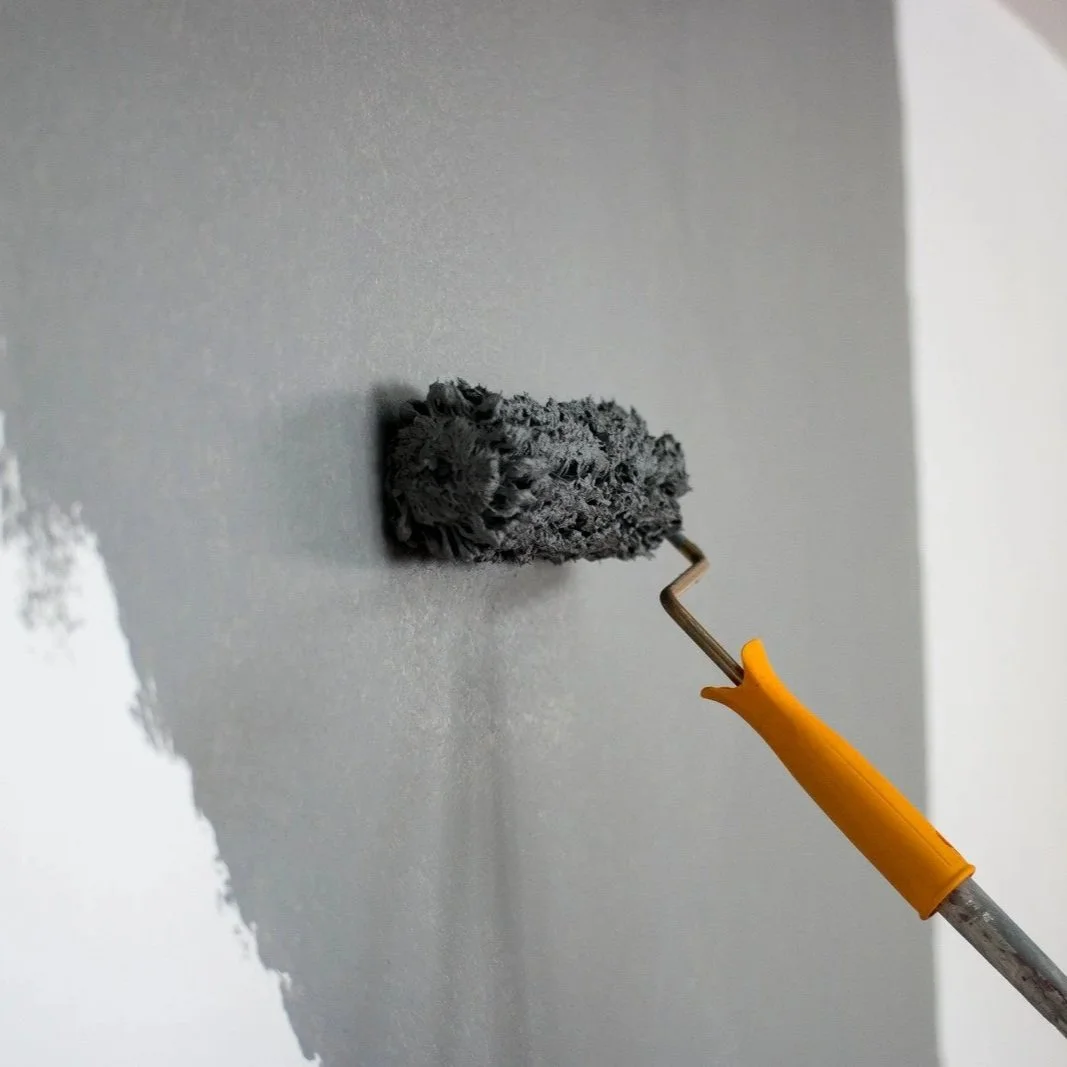
You've got leftover paint and a project, and the temptation is to treat paint as one interchangeable product. It isn't. Interior and exterior paints are engineered differently, down to their core ingredients, because they're built to survive completely different environments. Using one where the other belongs leads to poor durability or a finish that adds fumes to your living space. The differences aren't marketing — they're real chemistry, and understanding them shows why each paint has its place.
Roof Repair or Replacement? How to Make the Call
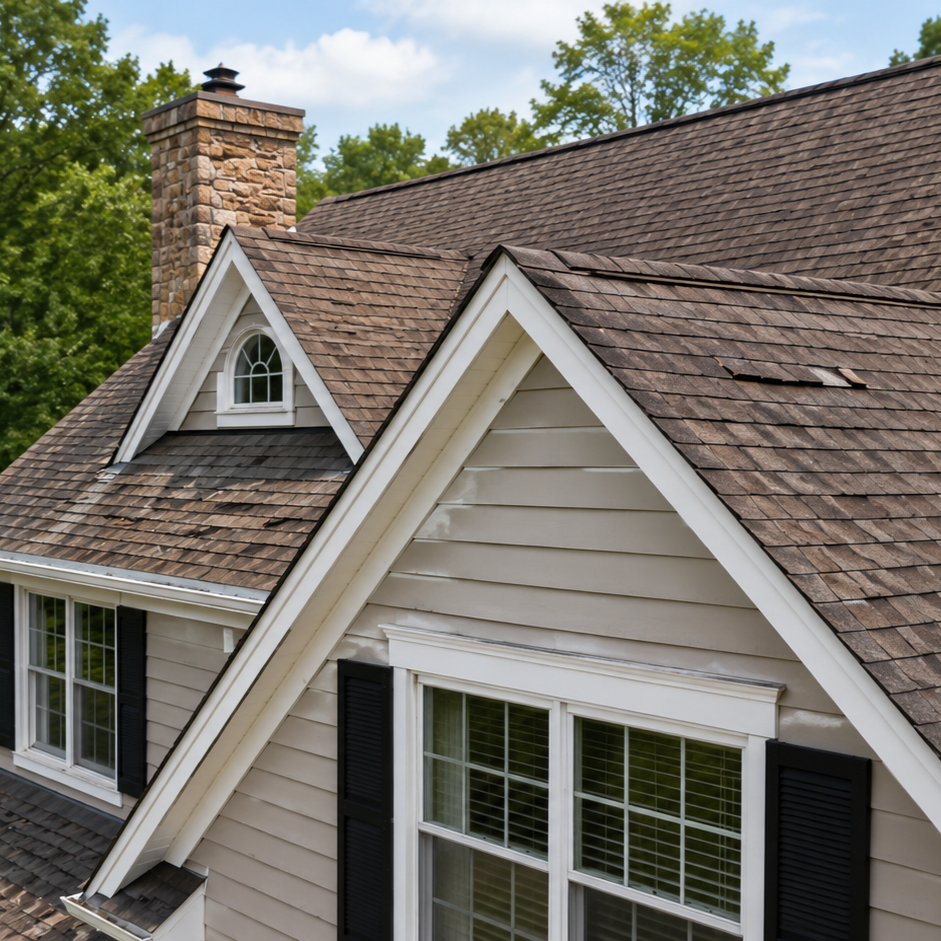
A roof problem puts you on the spot: patch it, or replace the whole thing? It's tempting to just fix the leak and move on, but a patch on a roof that's failing everywhere wastes money, and a full replacement on a roof with years left spends it too soon. The good news is the decision usually isn't a guess. A handful of clear factors point the way, and weighing them together — especially in a climate like Maryland's, which is hard on roofs — usually makes the answer obvious.
How Often Should You Repaint Your Home in Maryland?
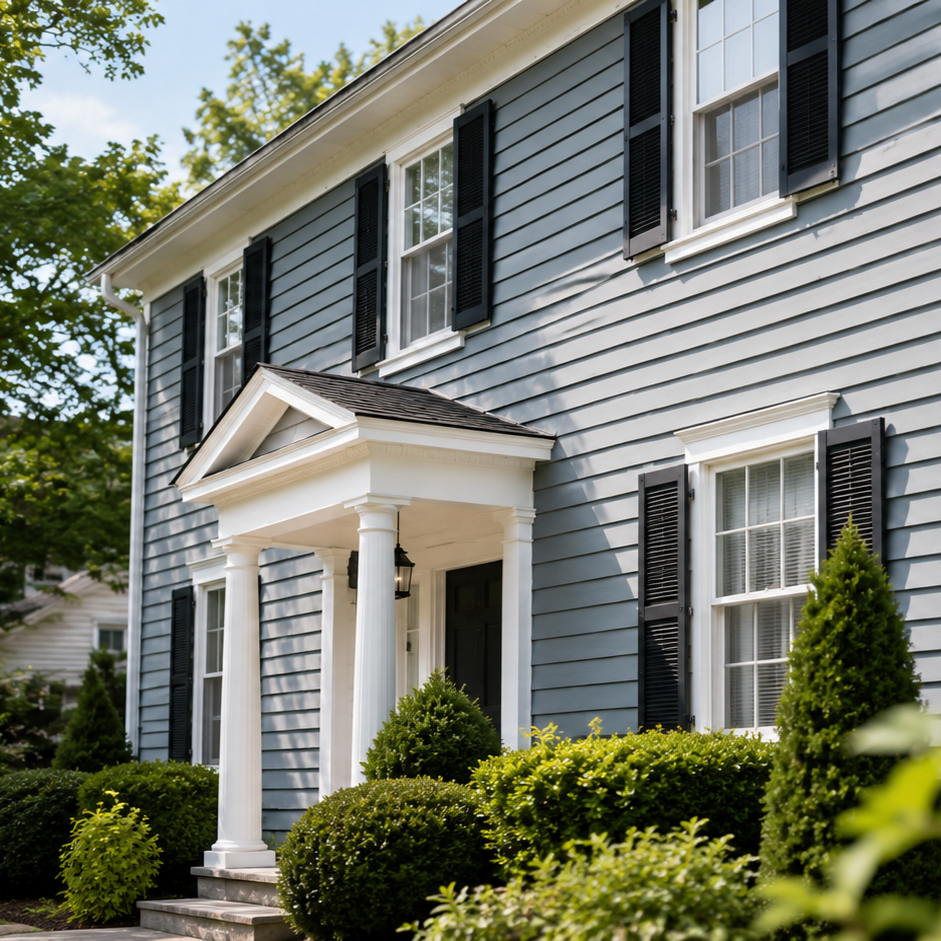
You're looking at the house, wondering if it's due — the color's faded a bit on the front, maybe there's some chalkiness, but nothing's obviously falling off. Knowing when to repaint a Maryland exterior isn't a fixed date on the calendar; it depends on what your house is clad in and how hard the weather hits it. With Maryland's range of rain, snow, sun, and humidity, paint works harder here than in a gentle climate, so the timeline runs accordingly. The smart approach is to know the typical range, then read your own home's condition.
Stylish Tile Wall Installation for Kitchens and Bathrooms
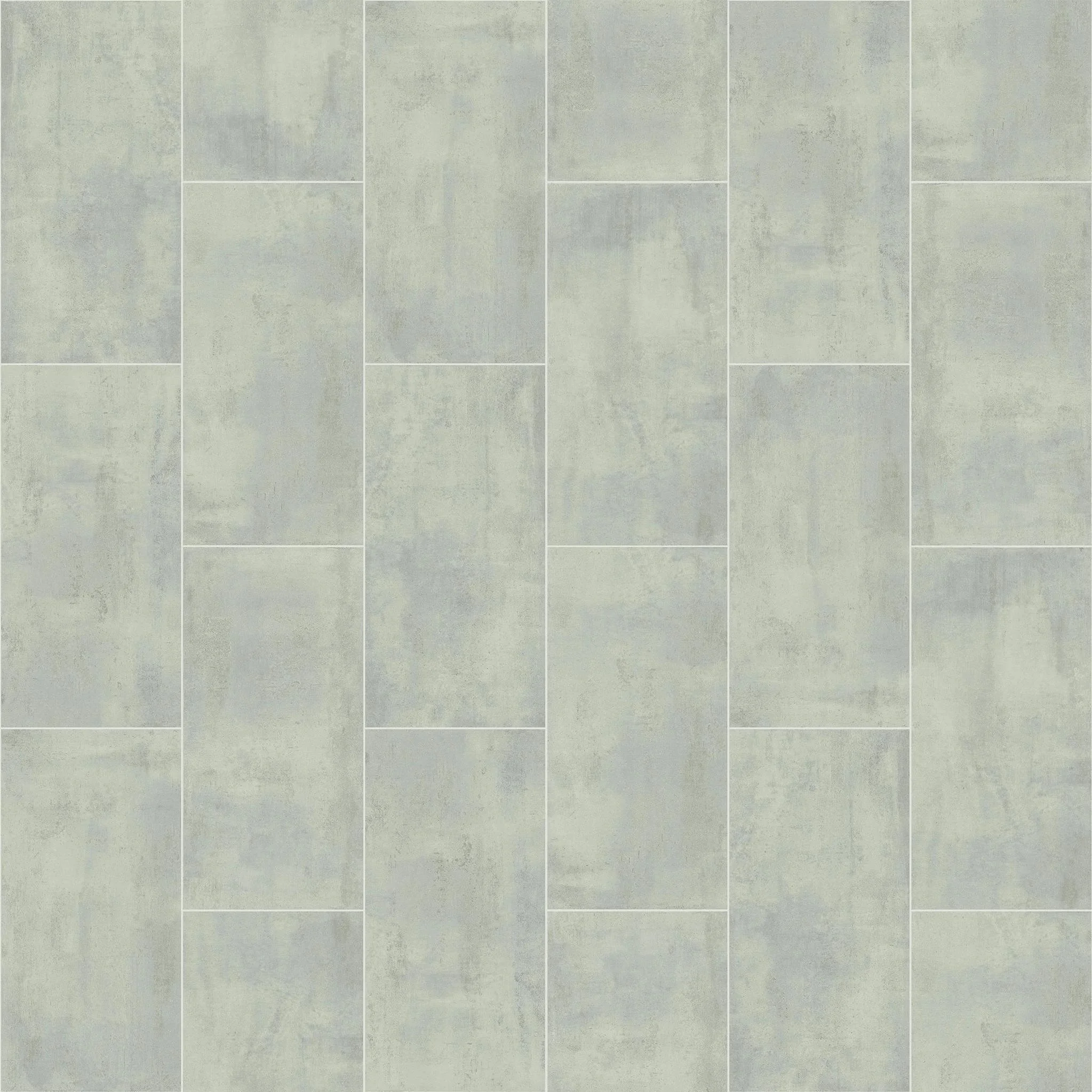
With the right tile selection and installation, your space can look sleek, polished, and practical for years to come.