
Why Your Exterior Paint Is Peeling After Just a Few Years
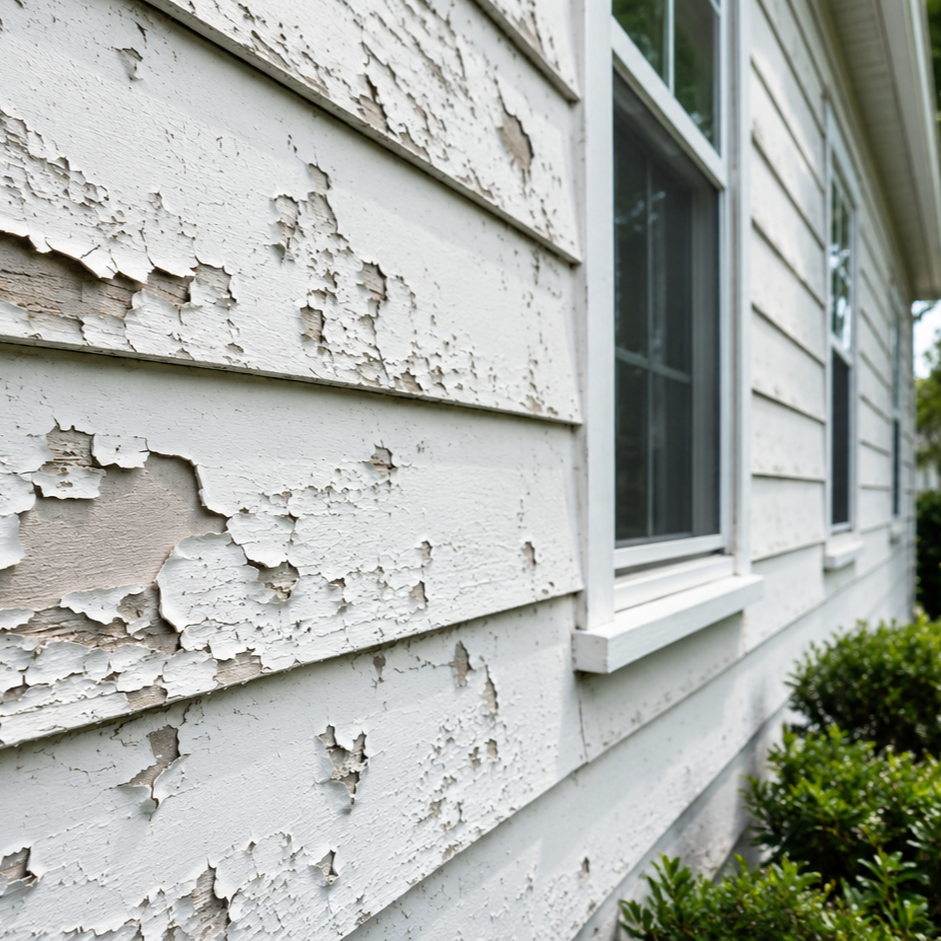
Quick Answer: Exterior paint that peels after only a few years almost always points to a problem with how it was applied or what it's fighting, not normal wear. The usual causes are poor surface prep (painting over dirt, chalk, gloss, or loose paint), painting over a damp surface or an unaddressed moisture problem, skipping primer on bare wood, using low-quality or wrong-type paint, and painting in bad conditions like cold or high humidity. Each one keeps the paint from bonding or lets water get behind it. Fixing the real cause — not just recoating — is what makes the next job last.
A paint job is supposed to last years, so when it starts peeling after just two or three, it feels like you got ripped off — and often, something did go wrong. Paint doesn't peel early on its own. Premature peeling is almost always a sign that the paint never bonded properly or that something is actively pushing it off the surface. The cold and storms get blamed, but in a few-year-old job, the real cause is usually traceable to how it was done or a moisture issue behind it. Knowing the causes is how you keep the next job from failing the same way.
Early Peeling Means Something Went Wrong, Not Just Age
There's a difference between paint wearing out after a decade and paint peeling after a couple of years. The first is normal aging; the second is a failure. When paint lets go early, it's because its grip on the surface was compromised from the start, or because water is getting underneath and breaking the bond. So premature peeling is a clue, not just bad luck — and the clue points to prep, moisture, product, or conditions. Tracking down which one saves you from repeating the mistake.
The Common Causes
Poor Surface Prep
This is the leading cause of early peeling. Paint needs a clean, dull, sound surface to bond to. When it's applied over dirt, chalky residue from old paint, a glossy surface that wasn't scuffed, or loose flaking paint, it never gets a real grip and starts letting go within a few years. Proper prep — cleaning, scraping, sanding — is unglamorous, but it's the single biggest factor in whether paint sticks. Most "the paint failed" stories are really "the prep was skipped" stories.
Moisture Behind the Paint
Water is paint's enemy. If paint goes on over a damp surface, or there's an unaddressed moisture source — a leak, poor drainage, failing caulk, or moisture coming through the wall — water gets behind the film and pushes it off. In Maryland's humid summers and freeze-thaw winters, that trapped water does serious damage, freezing and expanding to pry the paint loose. Paint over an active moisture problem will peel no matter how well it's applied, which is why finding and fixing the water source matters.
Skipping Primer
Primer is the bonding layer, and it's essential on bare wood and many repaired or problem surfaces. When primer is skipped or the wrong one is used, the topcoat lacks a proper foundation and is far more likely to peel early. Bare wood especially needs priming before paint; painting straight onto it sets up premature failure.
Low-Quality or Wrong Paint
Cheap paint and the wrong product for the surface or climate don't hold up. Quality exterior paint is formulated to remain flexible and adhere through temperature fluctuations; lower-quality paint becomes brittle and peels. Using the wrong type for the material — or an interior-grade product outside — also causes early failure. The product matters, especially against Maryland's range of weather.
Painting in Bad Conditions
Paint needs the right conditions to cure into a durable film. Applied in cold weather, high humidity, or on a wet surface, it can't bond and cure properly, and it fails sooner. A job done at the wrong time of year or in poor conditions can peel within a few years, even with decent paint and prep.
| Cause | Why it peels early | The fix |
|---|---|---|
| Poor surface prep | Paint never bonded to a clean, sound surface | Clean, scrape, sand before painting |
| Moisture behind the paint | Water pushes the film off | Find and fix the moisture source |
| Skipped primer | Topcoat lacks a bonding foundation | Prime bare wood and problem surfaces |
| Low-quality/wrong paint | Brittle or unsuited to the surface | Use quality exterior-grade paint |
| Bad application conditions | Paint can't cure properly | Paint in suitable weather |
Why Recoating Alone Doesn't Fix It
The temptation when peeling paint is to just scrape off the loose bits and paint over them. But if the original failure came from poor prep, a moisture problem, or skipped primer, recoating over the same conditions sets up the same failure. New paint over an unfixed moisture source, or onto a surface that still isn't properly prepped and primed, peels again on schedule. Lasting results come from addressing the actual cause — proper prep, fixing the moisture, priming what needs it, using quality paint, and painting in good conditions — not from another coat over the problem. That's the difference between a repaint that holds for years and one that fails again fast.
Before repainting a surface that peeled early, figure out why it failed the first time. Press for soft or damp wood, check for leaks or failing caulk nearby, and look at how the old paint is letting go. Fixing that root cause is what makes the new job last — a fresh coat over the same problem just buys you a year or two.
Frequently Asked Questions
Early peeling almost always means a problem with the application or with moisture, not normal wear. The usual culprits are poor surface prep (painting over dirt, chalk, gloss, or loose paint), painting over a damp surface or an unaddressed moisture source, skipping primer on bare wood, using low-quality or wrong-type paint, and painting in poor conditions like cold or high humidity. Each prevents the paint from bonding or lets water get behind it, causing it to fail well before it should.
It can be. Moisture behind the paint is a leading cause of peeling — water from a leak, poor drainage, failing caulk, or a damp surface gets under the film and pushes it off, and freeze-thaw cycles make it worse. If paint keeps peeling, especially in the same area, it's worth checking for a water source. Repainting without fixing that moisture problem usually leads to the new paint peeling too, so it's a clue worth investigating.
Not if you want it to last. Painting over peeling or loose paint, or over an unaddressed cause like poor prep or a moisture problem, just sets the new coat up to fail the same way. Proper repair means removing loose paint, prepping the surface (cleaning, scraping, sanding), priming as needed, addressing any moisture sources, and using quality paint. That work is what makes the difference between a repaint that holds and one that peels again quickly.
Yes — prep is the single biggest factor in whether exterior paint sticks. Paint needs a clean, dull, sound surface to bond to, and painting over dirt, chalk, gloss, or loose paint means it never grips properly and peels early. Thorough cleaning, scraping, and sanding take time, but they're what give paint the foundation to last through Maryland's weather. Skipping prep is the most common reason a paint job fails prematurely.
Quality exterior-grade paint formulated to stay flexible and adhere through temperature swings resists peeling best, because Maryland goes from humid summers to freezing winters. Cheaper paint becomes brittle and lets go, and the wrong product for the surface fails, too. Pairing quality, climate-appropriate paint with proper prep, priming, and good application conditions is what produces a finish that lasts — the paint alone can't overcome skipped prep or a moisture problem.
Fix the Cause, Not Just the Coat
Exterior paint that peels after just a few years is telling you something went wrong — poor prep, moisture behind the film, skipped primer, low-quality paint, or bad application conditions. It's a failure, not normal aging, and recoating over the same conditions only repeats it. The lasting fix is addressing the real cause: prep the surface properly, find and stop the moisture, prime what needs it, use quality paint, and apply it in good weather. Solve what made it fail, and the next job lasts the years it should.
Paint peeling again just a few years after the last job? — Get the real cause found and fixed with proper prep and quality paint from a woman-owned local team. Elite Edge Painting & Remodeling serves Parkville, Baltimore, Towson. Call (443) 601-5233.
