
How Often Should You Repaint Your Home in Maryland?
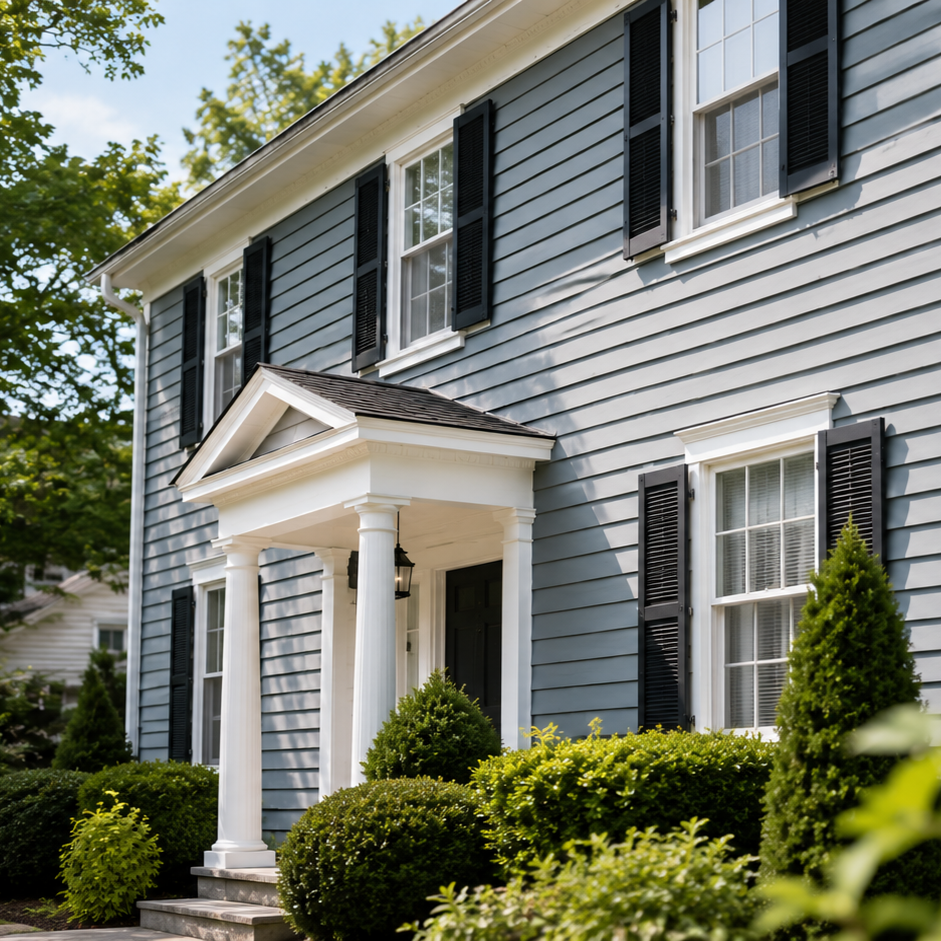
Quick Answer: Most Maryland homes need exterior repainting every 5 to 10 years, but the real interval depends on the siding material, the quality of the last paint job, and the exposure. Wood needs it sooner; well-painted fiber cement, brick, and vinyl go longer. Maryland's mix of rain, sleet, snow, UV, humidity, and freeze-thaw shortens the window versus a mild climate. Rather than counting years, watch the signs: fading, chalking, peeling or cracking, caulk failure, and bare wood showing through. Repainting before the old coat fails keeps moisture out of the siding.
You're looking at the house, wondering if it's due — the color's faded a bit on the front, maybe there's some chalkiness, but nothing's obviously falling off. Knowing when to repaint a Maryland exterior isn't a fixed date on the calendar; it depends on what your house is clad in and how hard the weather hits it. With Maryland's range of rain, snow, sun, and humidity, paint works harder here than in a gentle climate, so the timeline runs accordingly. The smart approach is to know the typical range, then read your own home's condition.
A Range That Depends on Your House
The common guideline is that exterior paint lasts somewhere between 5 and 10 years before it needs redoing. That's a starting point, not a rule, because the actual lifespan swings widely with a few factors. A wood-sided house in a harsh, sunny exposure with a budget paint job needs repainting far sooner than a well-painted fiber cement house on a sheltered lot. So the question "how often" really becomes "what does my specific house need," and that comes down to material, the last job's quality, and exposure to Maryland's weather.
What Drives the Timeline
The Siding Material
What your house is made of matters most. Wood siding generally needs repainting more often, since it's more affected by moisture and the elements, and the paint is working hard to protect it. Fiber cement holds paint well and lasts longer between coats. Brick and properly maintained stucco have their own long cycles, and vinyl, when painted, behaves differently again. Each material weathers at its own pace, so the same paint lasts different amounts of time depending on the surface beneath it.
The Quality of the Last Paint Job
A paint job lasts only as long as its weakest step. Thorough surface prep, proper priming, and quality paint can significantly extend the interval, while a job that skips prep or uses cheap paint fails early. This is why two similar houses can need repainting years apart — the one painted the first time properly lasts longer. Good work upfront is one of the biggest levers on how often you repaint.
Exposure and Maryland's Weather
Maryland gives paint a workout: rain, sleet, and snow, strong summer UV, humidity that feeds mildew, and freeze-thaw cycles that crack caulk and pry at weak spots. That combination shortens the repaint interval compared to a mild, dry climate. Exposure varies within a single house, too — the sun-blasted south and west faces and any wall taking the brunt of storms wear faster than shaded, sheltered sides, so parts of a house often need attention before others.
| Factor | Repaint sooner | Repaint later |
|---|---|---|
| Siding material | Wood | Fiber cement, brick, well-kept stucco/vinyl |
| Last paint job | Thin prep, cheap paint | Proper prep, primer, quality paint |
| Exposure | South/west, storm-facing walls | Shaded, sheltered sides |
| Climate stress | Heavy sun, humidity, freeze-thaw | Mild, stable |
The Signs It's Actually Due
Instead of counting years, let the paint tell you. Fading, especially on the sunny sides, means the paint is breaking down under UV. Chalking — a powdery residue that rubs off on your hand — is the finish degrading. Peeling, cracking, flaking, and blistering show the film is failing and letting water behind it. Caulk that's cracked or pulling away from seams and trim is a related cue, since those seals fail alongside the paint. And bare or graying wood showing through means the protection is gone, and the material is exposed. When these appear, it's time, regardless of the date of the last job.
Acting on the signs rather than waiting protects the house. Paint is the barrier that keeps moisture out of the siding, and in a freeze-thaw climate, water getting into bare or cracked wood causes rot and damage that costs far more than a repaint. Repainting before the old coat fully fails keeps that barrier intact.
Once a year, walk the house on a dry day and rub your hand along a sunny wall. Powder on your palm (chalking), visible fading, any peeling, cracked caulk, or wood showing through means the clock's up — those signs beat the calendar, and catching them early keeps water out of the siding.
Frequently Asked Questions
The general range is every 5 to 10 years, but the right interval depends on your siding, the quality of the last job, and your home's exposure. Wood siding and harsh, sunny, storm-facing exposures tend to shorten the lifespan, while well-painted fiber cement, brick, or stucco can last longer. Maryland's rain, humidity, UV, and freeze-thaw shorten the window compared to mild climates, so watching for signs like fading and peeling matters more than the calendar.
Yes, considerably. Wood siding typically needs repainting more often because it's more vulnerable to moisture and weather, while fiber cement holds paint longer, and brick and well-maintained stucco have long cycles of their own. The material determines how hard the paint works and how fast it weathers. That's why two homes painted at the same time can need repainting years apart — the difference is often what they're clad in.
Maryland hits paint from several directions: strong summer UV fades and breaks down the finish, rain and humidity stress it and feed mildew, and freeze-thaw cycles crack caulk and pry at any weak spots. That combination degrades exterior paint faster than a mild, dry climate would. As a result, homes here often land toward the sooner end of the typical range, and keeping an eye out for wear is especially worthwhile.
Look for fading (especially on sunny walls), chalking (a powdery residue that rubs off), and peeling, cracking, flaking, or blistering paint. Cracked or separating caulk around seams and trim, and bare or graying wood showing through, are also clear cues. When these show up, the paint is failing as a protective barrier, and it's time to repaint, regardless of how long it's been. The signs are a more reliable guide than the number of years.
Yes, because paint protects the siding from moisture, and once it fails, that protection is gone. Letting paint peel and expose bare wood lets water reach the material, and in Maryland's freeze-thaw climate, that leads to rot and damage far more expensive than a repaint. Repainting before the old coat fully fails keeps the barrier intact and protects what's underneath, which is much cheaper than repairing water-damaged siding later.
Let the House Set the Schedule
Most Maryland exteriors need repainting in the 5-to-10-year range, but your real timeline depends on the siding, the quality of the last job, and how hard the weather hits — and Maryland's sun, humidity, and freeze-thaw push it shorter. Rather than counting years, watch for fading, chalking, peeling, failing caulk, and exposed wood. Those signs mean the paint's protective barrier is wearing out. Repaint before it fully fails, and you keep moisture out of the siding instead of paying to repair it later. Think of a repaint less as a cosmetic refresh and more as routine maintenance that protects the house, the same way you'd service anything you want to last.
Wondering if your home is due for a fresh coat? — Get an honest assessment and a properly prepped exterior paint job from a woman-owned local team. Elite Edge Painting & Remodeling serves Parkville, Baltimore, Towson. Call (443) 601-5233.
