
Roof Repair or Replacement? How to Make the Call
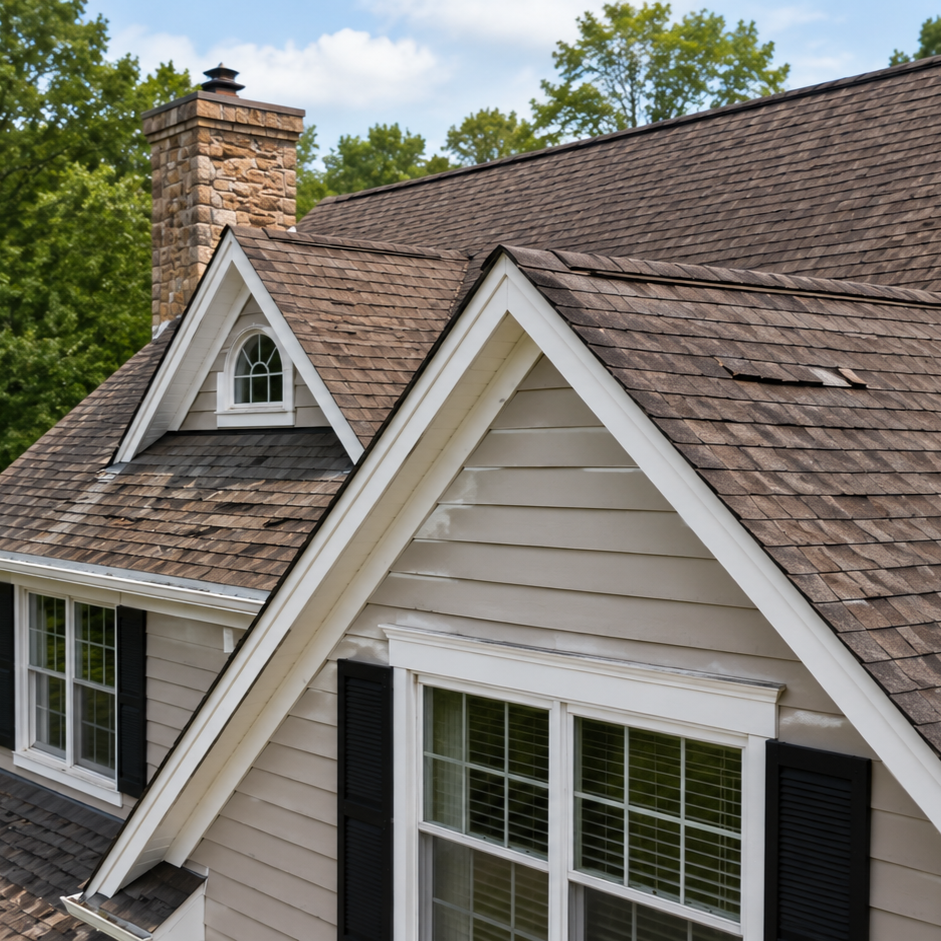
Quick Answer: Repair a roof when the damage is isolated, the roof is still within its service life, and it's otherwise sound — a few storm-damaged shingles, one leak, or a worn section of flashing. Replace it when the roof is near or past its lifespan, the wear is widespread (roof-wide curling, balding, multiple leaks), there's sagging or structural damage, or repairs keep stacking up. The deciding factors are the extent of the damage, the roof's age, its leak and repair history, and how repair cost compares to replacement. Age is often the tiebreaker on a borderline call.
A roof problem puts you on the spot: patch it, or replace the whole thing? It's tempting to just fix the leak and move on, but a patch on a roof that's failing everywhere wastes money, and a full replacement on a roof with years left spends it too soon. The good news is the decision usually isn't a guess. A handful of clear factors point the way, and weighing them together — especially in a climate like Maryland's, which is hard on roofs — usually makes the answer obvious.
The Call Comes Down to a Few Clear Factors
Whether to repair or replace almost always turns on four things: how widespread the damage is, how old the roof is, its leak and repair history, and how the repair cost compares to replacement. Any one of these can tip the decision, and together they make it clear. The mistake is reacting to the immediate leak alone — a cheap patch on a worn-out roof that springs a new leak next month isn't really cheap. Step back and look at the whole roof and its history, not just the spot that's failing today.
Repair Usually Wins When Damage Is Isolated
Repair is the right call when the problem is contained, and the roof is otherwise in good shape. A few shingles torn off in a storm, a single leak, a worn section of flashing around a chimney or vent — these are localized issues on a roof that's still within its service life and structurally sound. Fixing them restores the roof without spending on a full replacement that it doesn't need. If the rest of the roof is solid and the issue is in one spot, repair is usually the sensible, economical choice.
Replacement Makes Sense When the Roof Is Failing as a Whole
Replacement moves to the front when the signs are widespread, or the roof is near the end of its life. Shingles curling, cracking, and balding across the whole roof, granules heavily filling the gutters, multiple leaks in different spots, sagging areas, and an age near or past the typical lifespan all point to a roof failing as a system. Patching one spot won't stop the others from going. Structural problems like sagging or rotted decking also push toward replacement, since those aren't surface fixes.
| Factor | Lean repair | Lean replace |
|---|---|---|
| Damage extent | Isolated to one area | Widespread across the roof |
| Age | Within its service life | Near or past its lifespan |
| Leak history | First or rare leak | Multiple or recurring leaks |
| Structure | Decking sound, roofline straight | Sagging or rotted decking |
| Repair cost vs. replace | Small fraction of replacement | Approaching a large share |
Age, History, and Cost Break the Ties
When the damage extent alone doesn't decide it, the other factors do. Age is often the tiebreaker: the same damage is a repair on a young roof and the nudge to replace on an old one near the end of its lifespan. Leak history matters too — a single leak on a sound roof is a repair, but a roof that keeps developing new leaks is telling you it's wearing out as a whole, and the running cost plus the risk of water damage between repairs justifies replacement. And cost: a minor repair is an easy yes, but when a major repair approaches a meaningful share of a full replacement on an older roof, putting the money toward a new roof that resets the clock often makes more sense. In Maryland, where storms, hail, humidity, and freeze-thaw wear roofs hard, age and accumulated damage tend to weigh heavily.
Before deciding, ask the inspector two direct questions: roughly how many years of life does this roof have left, and is this damage isolated or a sign the whole roof is going? Honest answers to both settle the repair-or-replace question better than the repair quote alone — and a trustworthy roofer will give them.
Frequently Asked Questions
It comes down to how widespread the damage is and the roof's age, history, and repair cost. Isolated problems — a few missing shingles, one leak, worn flashing — on a roof still within its service life are usually repairable. Widespread wear like roof-wide curling and balding, multiple leaks, sagging, or a roof near the end of its lifespan points to replacement, since patching one spot won't stop the rest from failing. A professional inspection weighing all these gives the clearest answer.
A single repair is almost always cheaper up front. The fuller comparison includes repeated repairs and the cost of water damage if an aging roof keeps leaking between fixes. When a roof needs frequent repairs or a major repair approaches a significant share of replacement cost, the accumulated spending can rival a new roof that resets the clock. For isolated damage on a sound roof, repair is economical; for a roof failing as a whole, replacement often wins over time.
Yes — age is often the deciding factor on a borderline call. The same damage is worth repairing on a roof early in its life, but signals replacement on one near or past its typical lifespan, because even after fixing this issue, the rest of an old roof is wearing out too. In Maryland's harsh climate, roofs can reach the end of their useful life on the sooner side of the range, making age an especially important consideration.
Replacement is the clear choice when the roof is near or past its lifespan with widespread wear — curling and balding shingles across the roof, multiple leaks, heavy granule loss — or when there's sagging or structural damage, or repairs keep stacking up. Any of these signals a roof failing as a system rather than in one spot. At that point, a new roof that resets the clock makes more sense than continuing to patch one that's near the end anyway.
Maryland roofs endure storms, hail, humidity, snow, and freeze-thaw cycles, all of which wear roofing materials harder and can shorten their useful life. That means age and accumulated weather damage factor heavily, and a roof here may reach the replace-versus-repair tipping point sooner than the same roof in a milder climate. Regular inspections after storms and winters help you catch the decision point at the right time, before damage turns into interior leaks.
Weigh the Whole Roof, Not Just the Leak
Whether you need roof repair or replacement comes down to the extent of the damage, the roof's age, its leak and repair history, and how repair costs compare to replacement. Isolated damage on a young, sound roof is a repair; an aging roof with roof-wide wear, recurring leaks, or sagging is asking to be replaced. Weigh the factors together, let age break the ties, and get an honest inspector's read — especially after Maryland's storms and winters. Decide on the overall condition of the roof, and you spend your money where it actually pays off. A patch on a dying roof and a new roof on a sound one are both wasted money — the goal is to match the fix to where the roof truly is in its life.
Caught between patching and replacing your roof? — Get an honest inspection, a clear recommendation, and storm-damage claim help from a woman-owned local team. Elite Edge Painting & Remodeling serves Parkville, Baltimore, Towson. Call (443) 601-5233.
