
Signs of Water Damage Behind Walls or Siding: What Your Home Is Telling You
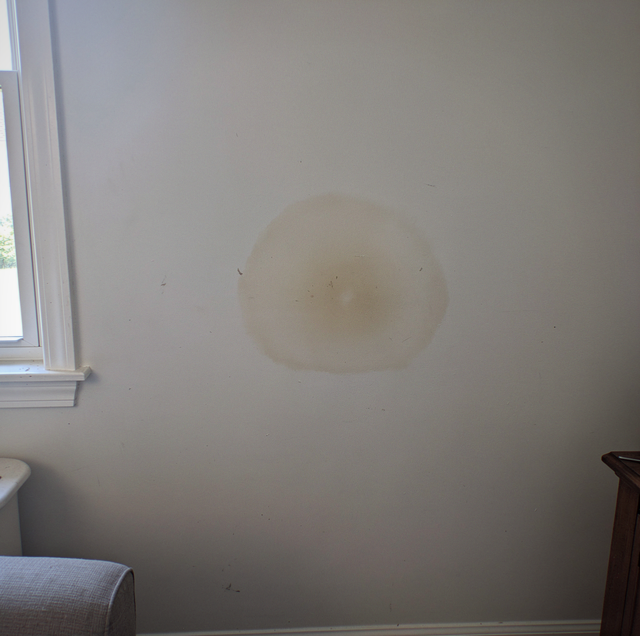
A wall can look fine from across the room and still be soaking wet three layers down. Water that gets behind siding or drywall rarely announces itself with a dramatic leak. Instead, it settles into framing, insulation, and sheathing, and it can sit there for months before the surface gives it away. By the time a homeowner notices something is off, the damage underneath is usually further along than the visible clue suggests. Knowing what those early clues look like, and taking them seriously the first time they show up, is what keeps a small moisture problem from turning into a rot repair or a mold remediation job.
Why Hidden Water Damage Is Easy To Miss
Walls are built in layers for a reason: an outer surface to shed weather, a water-resistant barrier underneath, framing for structure, and insulation and drywall on the inside. That layered design is exactly why moisture intrusion is so hard to catch early. Water that finds a way past the outer layer, through a cracked caulk joint, a gap around a window, or a seam in siding that has pulled loose, does not have to travel far before it is completely out of sight.
Once inside that cavity, water moves slowly and spreads sideways as much as downward, following studs, wicking along the underside of siding panels, and soaking into insulation that holds moisture like a sponge instead of shedding it. A leak at one spot on the exterior can appear as a stain or a soft patch several feet away on the interior wall, which is part of why homeowners often assume a problem is smaller and more contained than it actually is. The signs below tend to surface first, often well before a wall shows any obvious hole or gap.
Bubbling Or Peeling Paint Signals Moisture Underneath
Paint needs a dry, stable surface to bond to, and it is one of the first things to react when moisture starts building up behind a wall or under siding. Water vapor trapped between the surface and the material behind it has to go somewhere, and it pushes outward against the paint film. That pressure shows up as small bubbles, blisters, or bumps in an otherwise smooth painted surface, and it often appears well before any staining does.
Peeling is the next stage of the same problem. Once enough moisture has built up, paint loses its grip on the surface entirely and starts curling away in strips or flakes, sometimes in sheets large enough to pull off by hand. This is different from ordinary weathering, which tends to fade a finish evenly across a whole wall. Bubbling and peeling concentrated in one spot, especially near a window, door, roofline, or a section where two materials meet, points to a specific source of moisture right behind that spot rather than general age.
Soft Or Spongy Wall Areas Mean Trouble Below The Surface
A wall or section of siding that gives slightly when pressed, feels spongy underfoot on a porch floor, or flexes where it should be rigid is one of the clearer physical signs that water has been sitting in the material long enough to break it down. Drywall loses its structural integrity once it absorbs enough moisture, going from a firm, solid panel to something closer to wet cardboard. Wood framing and sheathing behave the same way, softening as fungal decay sets in and breaks down the fibers that give the wood its strength.
This test is worth doing by hand, not just by eye. Press gently on any wall or siding section that shows other warning signs, and compare how it feels to a section nearby that looks unaffected. A noticeable difference in firmness, or a section that feels damp or cool to the touch compared to the rest of the wall, usually means the problem has moved past the surface and into the structure behind it. Soft spots rarely stay small once they start, since wet wood continues to break down as long as moisture keeps reaching it.
Discoloration And Staining On Walls Or Siding
Staining is one of the most visible signs of water intrusion, but it is also the most commonly explained away as dirt, sun exposure, or an old mark that has always been there. Water carries minerals, tannins from wood, and dust through a wall as it moves, then deposits them at the surface as it evaporates, leaving behind a ring, streak, or blotchy patch, usually yellow-brown, tan, or gray rather than the color of the surrounding material.
On interior drywall, this often shows up as a ring with a darker edge and a lighter center, growing slightly with each new bout of wet weather. On exterior siding, discoloration tends to run along seams, under window sills, or near the bottom edge of panels where water has the most opportunity to sit. A stain that keeps reappearing after cleaning, or one that grows even slightly over a few months, is not an old mark. It is an active leak still feeding it.
A Musty Smell That Won't Go Away
Smell is often the first clue a homeowner notices, arriving well before any visible sign shows up. A persistent musty, earthy, or mildewy odor in a room, closet, or crawlspace, especially one that lingers no matter how much the space is cleaned or aired out, is a strong indicator of trapped moisture that supports mold or mildew growth nearby. That smell comes from the microbial activity itself, not from standing water, so it can show up even when nothing looks visibly wet.
Tracking down where a musty smell is strongest is a useful diagnostic step. A smell concentrated near one wall, in one corner of a closet, or around a particular vent usually points toward the source better than a general odor spread through a whole floor. If the smell gets stronger after rain or in humid weather and fades somewhat during dry stretches, that pattern alone is close to confirmation that moisture, not just an old odor, is behind it.
Visible Mold Growth Indoors Or Outdoors
By the time mold is visible, moisture has usually been present for a while, since mold generally needs sustained dampness over days, not hours, to establish itself and spread. Indoors, this often shows up as dark speckling along a baseboard, in a corner near an exterior wall, or on furniture pushed against a wall that has been holding moisture. Outdoors, mold and mildew tend to show up as dark streaking or a fuzzy texture on siding, especially in shaded spots or where two panels overlap and stay damp after rain.
Visible mold is worth treating as a signal rather than a problem to simply wipe away. Surface cleaning removes what is visible without addressing the moisture feeding it, so mold that returns quickly after cleaning tells you the source is still active. A patch that keeps returning to the same spot, or spreads a little further each time, means the water intrusion behind that wall or panel has not actually been resolved.
Warped Or Buckled Siding Panels
Siding is designed to lie flat and hold a straight line across a wall, and any panel that has started to bow, ripple, or pull away from the wall behind it is showing a physical response to moisture it was never meant to absorb. Wood and composite siding swell as they take on water and shrink again as they dry, and repeated cycles of that swelling and shrinking eventually warp a panel out of its original shape. Vinyl siding reacts differently but shows a related symptom, buckling or rippling when moisture and heat build up behind it with nowhere to vent.
A single warped panel is sometimes just a fastening or installation issue, but warping across several panels in the same section, or warping that keeps recurring after a panel gets replaced, points to a moisture source behind the siding rather than a problem with the siding itself. Gaps that open between panels, or panels that no longer sit flush against their neighbors, are worth a closer look for the same reason.
Reading These Signs Together
Any one of these signs is worth a closer look. Several of them showing up in the same section of wall or siding at the same time is a much stronger indicator that water has been getting in for a while. A bubbled patch of paint paired with a musty smell in the closet on the other side of that wall, or a warped siding panel over drywall that feels soft to the touch, points to one shared source rather than several unrelated issues.
It also helps to think about where water is most likely getting in. Corners, window and door trim, rooflines where siding meets a wall, and any spot where two materials meet are the places where water intrusion most often starts, since those transitions are where seals and flashing do the hardest work. If more than one sign shows up near a transition point, that is usually where the source will be found.
What To Do Once You Notice These Signs
None of these signs get better on their own, and most get harder and costlier to fix the longer they sit, since wet framing and sheathing keep breaking down as long as moisture keeps reaching them. A soft spot the size of a coin can spread across an entire wall section within a season if the source feeding it is never addressed. The same goes for warped siding panels and mold that keeps returning after cleaning.
A professional inspection is the fastest way to find out how far a moisture problem has actually spread, since it usually involves opening up a section of wall or siding to see what is happening behind the surface rather than guessing from what shows on the surface. That inspection also tells you whether the fix is a small repair, a resealing job, or a larger section that needs to be replaced. Catching these signs early, before the next stretch of wet weather, is what keeps a contained repair from turning into a full wall rebuild.
Frequently Asked Questions
It varies widely depending on how much water is getting in and how well the space behind the wall can dry out between wet spells. A significant leak from a burst pipe can show a stain within a day, while a slow intrusion through a small gap in siding or caulk might take months or even a full season of wet weather before paint bubbles or a musty smell becomes noticeable. Slow leaks are often the more damaging ones precisely because they go unnoticed longer.
The surface can sometimes look better after a dry spell, since wood and drywall do release some moisture as humidity drops. But drying out does not undo damage that has already happened, such as softened drywall, warped wood, or mold that has already established itself. And unless whatever let water in has been sealed or repaired, the same spot will simply take on water again the next time it rains.
Not always, but it usually means moisture is present somewhere nearby even if mold has not become visible yet. The smell comes from microbial growth that thrives in damp materials, and by the time it is noticeable, conditions are typically right for mold to be forming even if none is visible on an exposed surface. Treating a persistent musty smell as a lead worth tracking down, rather than something to mask, is the safer approach.
Bubbling paint is one of the more reliable early signs, but a small bubble or two can occasionally result from a paint application issue, such as painting over a damp surface or applying a coat in high humidity. The distinction usually comes down to pattern: bubbling that is scattered and minor and does not grow over time is more likely an application issue, while bubbling that keeps expanding, especially paired with any of the other signs, points to ongoing moisture intrusion.
Areas around windows and doors, rooflines where siding meets a wall, corners where two exterior materials meet, and any spot near a deck ledger board or a section of siding close to the ground tend to show problems first. These are the transition points where seals, flashing, and caulk have the most work to do, and where a small gap or crack gives water the easiest path behind the surface.
It depends on how far the warping has progressed and what is behind it. A single panel with mild warping and no soft spots in the sheathing behind it can sometimes be reset or replaced on its own. Widespread warping across several panels, or warping paired with soft or discolored sheathing underneath, usually means more than the visible siding needs attention, since replacing panels without addressing what is happening behind them just delays the same problem.
Schedule a moisture inspection — get a clear look at what's happening behind your walls or siding before a hidden leak turns into a bigger repair. Elite Edge Painting & Remodeling serves Parkville, Baltimore, and Towson. Call (443) 601-5233.
