
Effective Painting Touch Ups for Seamless Repairs
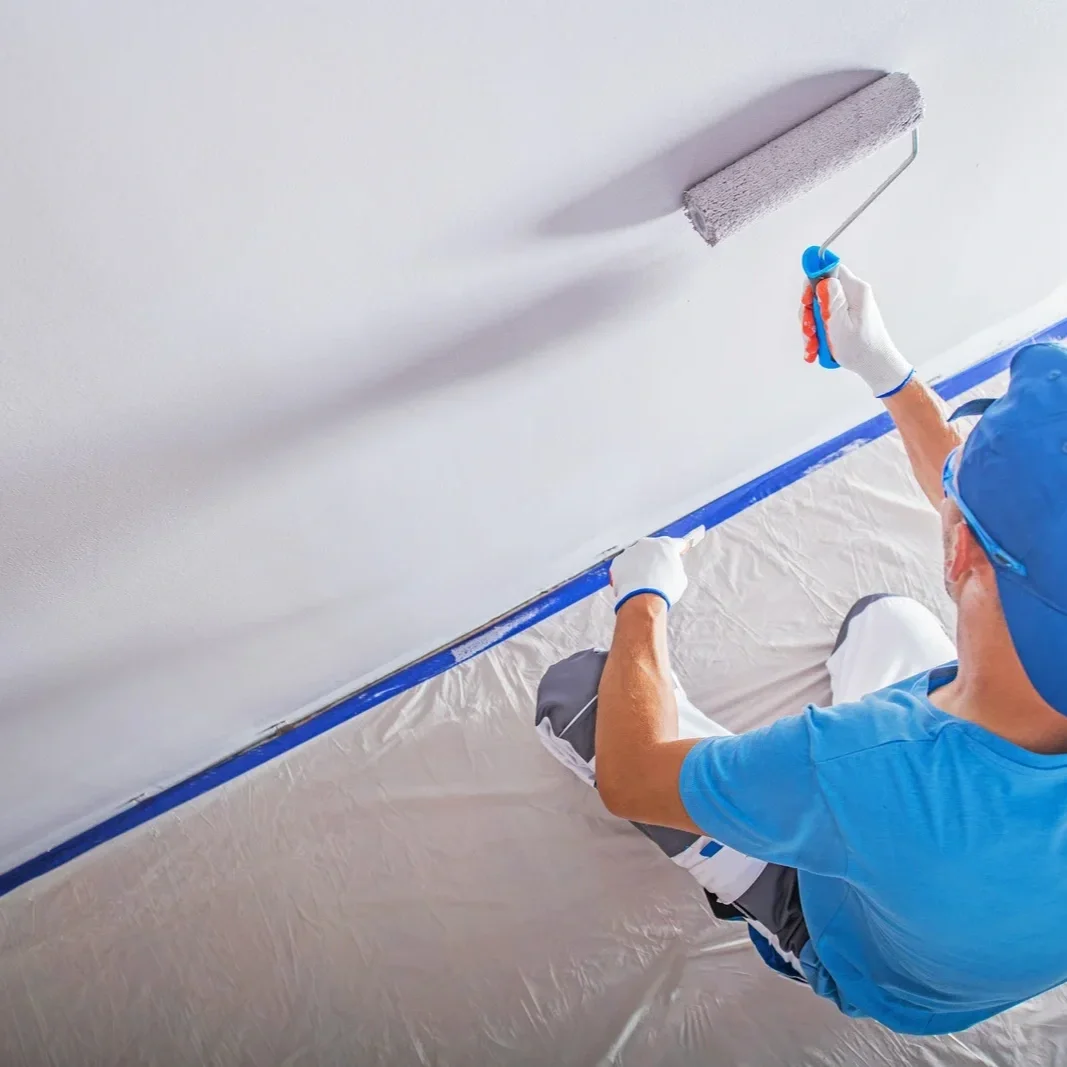
With a few tools and a little patience, painting touch-ups can restore your walls to their former glory without the hassle of a full repaint.
Over time, even the most well-maintained walls will show signs of wear. A scuff here, a chip there—these little imperfections can make a room feel less polished than it should. Luckily, painting touch-ups offer a simple solution. Whether you're fixing small blemishes or addressing larger areas of damage, the key to a flawless repair is all in the technique. With a few tools and a little patience, painting touch-ups can restore your walls to their former glory without the hassle of a full repaint.
Identifying Areas That Need a Touch-Up
Before diving into any touch-ups, it's important to take a step back and assess the areas that need attention. Walls in high-traffic areas like hallways, kitchens, or family rooms often take the brunt of the damage. Scratches, scuffs, or dirt marks can appear more prominently in these spots. Similarly, trim, baseboards, and door frames often become the target of nicks, chips, and accidental bumps. Knowing where to focus the efforts help streamline the process and ensure the best results.
Examine walls under different lighting conditions. Sometimes imperfections become more noticeable in certain lighting, so it’s a good idea to check in both natural and artificial light to see which areas need work. Don’t forget to check areas around light switches, furniture, and windowsills—common places where wear and tear can happen over time.
Choosing the Right Paint
To achieve seamless repairs, it’s essential to use the correct paint. If you still have leftover paint from your original project, use it for the touch-ups. Not only will it ensure color consistency, but it will also make the job easier. If you’re out of the original paint or if it’s no longer usable, take a sample of the current wall color to your local paint store. Many stores offer color-matching services that can recreate the exact shade.
Remember, it’s not just the color that needs to match—pay attention to the paint finish, too. Flat, eggshell, satin, and gloss finishes all behave differently on walls. If your walls originally had a satin finish, using a flat finish for your touch-up could result in a noticeable difference in texture. To keep the repair as natural-looking as possible, try to match both the color and finish to the original.
Applying the Touch-Up
Once you have your paint ready, it’s time to start applying the touch-up. Start by preparing the surface. Cleaning the area of dust, dirt, or grease is critical. Use a damp cloth to wipe down the wall and allow it to dry completely before proceeding. If the surface isn’t clean, the paint won’t adhere as well, and you might end up with uneven results.
Next, use a small brush to apply the paint. A fine-tipped brush allows greater precision, especially when working in detailed areas like trim, baseboards, or corners. For larger, flat areas, use a wider brush. When applying the paint, remember that less is more. A light coat of paint will blend more easily with the surrounding area, whereas a thick coat may leave visible brush strokes or lumps.
Apply a thin layer, and allow it to dry before deciding if another coat is necessary. Touching up too soon or applying too much paint can lead to streaks or an uneven finish. Once the first coat has dried, assess whether it needs a second application. If you do need a second coat, be sure to apply it in the same direction as the first for a consistent look.
Blending the Touch-Up Seamlessly
One of the most important aspects of a successful touch-up is blending the new paint with the surrounding area. A visible line where the fresh paint ends and the old paint begins can make the touch-up look obvious. To avoid this, feather the edges of the fresh paint into the surrounding wall. Use a dry brush to lightly blend the edges of the touch-up into the existing paint, softening any hard lines that may form.
If you’re dealing with a particularly large or noticeable touch-up, you may want to use a technique called “feathering” to create an even transition between the new paint and the old. Feathering involves applying paint in thin, soft strokes, gradually lightening the pressure as you reach the edges. This helps the new paint blend into the surrounding surface, making the transition virtually invisible.
For areas where the touch-up is still noticeable, a light sanding of the dry paint may help smooth out any raised edges and make the blend even more seamless. Just be careful when sanding, and avoid damaging the surrounding paint.
Addressing Stains and More Challenging Areas
Sometimes, touch-ups are more than just covering minor imperfections. Stubborn stains, water marks, or smoke damage can be more difficult to cover up. In cases like these, it may be beneficial to use a primer before applying your touch-up paint. Primers provide a base coat that helps seal in stains, making it easier to apply the paint evenly.
If the area has sustained significant damage, such as peeling or cracking paint, it’s important to prepare the surface properly before applying the touch-up. Scrape away any loose or peeling paint, and smooth the area with fine sandpaper to help the new coat adhere better. After sanding, wipe the surface clean and apply a primer before adding your new paint.
For particularly tough stains, such as grease or crayon marks, using a stain-blocking primer can make all the difference. These primers are designed to seal in stains and prevent them from bleeding through the fresh coat of paint.
Fixing Trim and Baseboard Touch-Ups
While walls often get the most attention during touch-ups, trim, and baseboards also need some love. These areas tend to show scuffs, chips, and dirt more quickly than other parts of the room. Because they’re smaller and often feature more intricate designs, touch-ups to trim and baseboards require a steady hand.
Start by cleaning the trim or baseboard thoroughly. Use a damp cloth to remove dust and grime, paying special attention to corners and edges. Once the area is clean, use a small brush with angled bristles to apply paint carefully. Use light, even strokes to avoid paint from running onto the surrounding wall or floor. For baseboards, it’s often best to start at the top and work your way down.
To avoid leaving streaks or marks, apply a second coat, especially if the trim is a high-contrast color compared to the walls. A gloss or semi-gloss finish works well for trim, as it offers a durable, easy-to-clean surface.
The Finishing Touch
Once all the touch-ups are complete, take a step back and examine the results. Look for any areas that may need a little extra blending or another light coat of paint. A smooth, even finish will make the touch-up blend seamlessly into the existing paint, giving your walls and trim a refreshed look without being obvious.
A few final tips for keeping your touch-ups looking fresh: always keep a small supply of paint on hand for future touch-ups, and try to store it in a cool, dry place to prolong its shelf life. It’s also a good idea to touch up areas as soon as you notice damage to prevent it from getting worse over time.
Effective painting touch-ups offer an affordable and easy way to refresh your home’s look. Whether you’re fixing up minor scuffs or addressing more substantial imperfections, taking the time to do the job right will result in a flawless finish that gives your walls, trim, and baseboards a seamless, polished appearance.
Call Elite Edge Painting & Remodeling if you need exterior painting, interior painting, tile installation, and tile replacement and repair solutions in Parkville, MD, and surrounding areas. We ensure attention to detail and expert craftsmanship, regardless of the project size. We offer customized solutions for every property. Call to get your free quote today.