
High-Quality Exterior Painting for Enhanced Durability
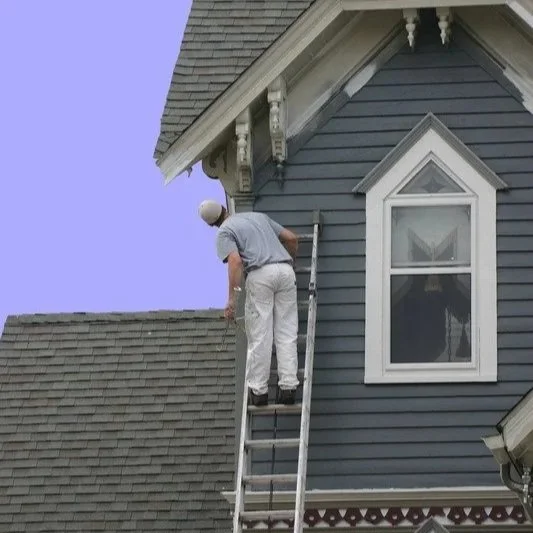
A high-quality paint job holds its own season after season, offering both style and substance.
A fresh coat of paint doesn’t just elevate the look of a home or commercial property—it plays a practical role in protecting the structure beneath it. Exterior painting, when done with care and the right materials, acts as a shield against the elements. Wind, rain, snow, sun—each brings its own decomposition. A high-quality paint job holds its own season after season, offering both style and substance.
The durability of an exterior paint job depends on more than the color or brand of paint. It’s the product of preparation, technique, and attention to detail. Homes and buildings benefit from a thoughtful approach in which surface condition, environmental exposure, and material type all influence the final result. A well-painted exterior does more than look good—it lasts.
Why Durability Begins with Preparation
Every long-lasting paint job begins before the brush hits the surface. Dirt, mildew, and peeling paint act as barriers between the surface and the fresh layer of color. Without removing these, even the most expensive paint will fail to perform. Thorough preparation means pressure washing, scraping, sanding, and in some cases, priming. It’s not glamorous work, but it’s essential.
Clean surfaces help paint adhere properly, reducing the risk of blistering, chipping, or flaking. Caulking gaps and cracks before painting prevents moisture from creeping in. Even the best paint struggles to stay put when the surface beneath it is unstable. Investing time in preparation leads to fewer problems later and a smoother, more professional finish from the start.
Choosing Paint That Works Hard
Not all paint is designed to withstand outdoor conditions. High-quality exterior paint includes additives that boost performance—UV blockers to reduce fading, mildewcides to fend off mold, and binders that help paint stick tightly to surfaces in extreme temperatures. These advanced formulations might cost more up front, but they deliver better results in the long run.
Different surfaces call for different types of paint. Wood expands and contracts, requiring a flexible finish that won’t crack under pressure. Brick needs breathable paint that lets moisture escape rather than trapping it. Stucco, vinyl, and metal—each has its quirks, and the right paint must match the material’s needs. A durable paint job means using products that work with, not against, the surface.
Weather Can Make or Break a Paint Job
Mother Nature has strong opinions about when and how paint should be applied. Hot sun can dry paint too quickly, while cold weather slows drying and affects bonding. Humidity and rain? Enemies of good adhesion. That’s why professional painters plan around weather patterns, often painting in the early morning or late afternoon to avoid temperature extremes.
Fast-drying formulas are beneficial when weather windows are tight, especially in unpredictable climates. Some newer paints even allow for painting in cooler temperatures, giving homeowners more flexibility throughout the year. Timing matters more than most people think—it affects not only how the paint looks but how long it lasts.
Color That Lasts
Color isn’t just about curb appeal. It also plays a role in durability. Dark colors absorb more heat, which can accelerate wear or cause cracking and fading. Lighter colors tend to reflect sunlight, helping paint retain its appearance longer. When paired with high-quality pigments and UV-resistant technology, color becomes more than a design choice—it becomes a practical part of the plan.
Beyond color, sheen also impacts durability. Satin or semi-gloss finishes are simpler to clean and offer greater moisture resistance than flat finishes. They’re often the go-to for trim, doors, and high-contact areas. Flat finishes, while great at hiding imperfections, may not hold up as well over time. Choosing the right sheen for each exterior part contributes to the longevity of the overall project.
Protecting More Than Looks
Paint acts as a sealant, locking out moisture and protecting against rot, rust, and other structural damage. Homes and commercial buildings alike face the same enemies—water intrusion, UV rays, and fluctuating temperatures. When paint breaks down, those enemies creep in.
High-quality exterior painting guards against long-term damage. It minimizes the need for costly repairs and extends the life of siding, trim, doors, and windows. It’s a smart way to protect an investment, whether it’s a single-family home or a multi-unit business.
When done right, exterior painting is as much about maintenance as it is about aesthetics. It prevents problems before they start, wrapping the building in a protective layer that withstands the weather.
Commercial Properties and Curb Appeal
First impressions matter—especially in business. A well-maintained exterior reflects professionalism and attention to detail. Customers notice, even if they don’t say anything. Faded paint, visible wear, or peeling corners can send the wrong message.
For commercial properties, exterior painting adds a layer of polish that says, “We care.” It shows investment in the space and a desire to keep things looking sharp. With quality materials and skilled application, a paint job becomes more than cosmetic—it supports branding, reputation, and even foot traffic.
Maintenance Pays Off
Even the best exterior paint job benefits from some occasional TLC. Routine washing helps remove dirt, pollen, and pollutants that can break down the finish over time. Trimming back bushes or trees prevents mold or mildew growth and keeps branches from scraping paint. Keeping gutters clean helps reduce water exposure to painted surfaces.
Touch-ups may eventually be needed, especially in high-wear areas. But with a strong foundation and quality materials, touch-ups are fewer and farther between. Less maintenance over time means more value from the original paint job and fewer headaches for property owners.
The Value of Experienced Painters
There’s something to be said for experience. Professional painters understand how to adapt to different surfaces, climates, and building types. They work efficiently, minimize mess, and produce consistent, lasting results. They also know how to spot potential issues before painting begins—such as dry rot, pest damage, or structural concerns that need to be addressed.
A good paint job doesn’t just happen. It’s the result of training, technique, and a lot of elbow grease. Professionals bring all of that and more, using tools and products that make a difference in both appearance and durability.
Conclusion
High-quality exterior painting delivers more than a nice view from the curb. It offers real protection, longer life for building materials, and fewer maintenance needs over time. With the right preparation, products, and timing, a good paint job can last for years—keeping homes and businesses looking their best no matter what the weather brings.
Whether updating a historic home or giving a modern storefront a facelift, investing in high-quality exterior painting makes sense. It strengthens the structure, enhances visual appeal, and provides a durable layer of defense against the unpredictable world outside. A well-painted exterior is more than a style choice—it’s smart protection with lasting value.
Elite Edge Painting & Remodeling offers professional exterior painting, interior painting, tile installation, and tile replacement and repair solutions in Parkville, MD. We adhere to the highest standards and use top-quality materials to guarantee superior workmanship. Call us today for a free quote.