
Which Paint Sheen for Each Room: A Simple Guide
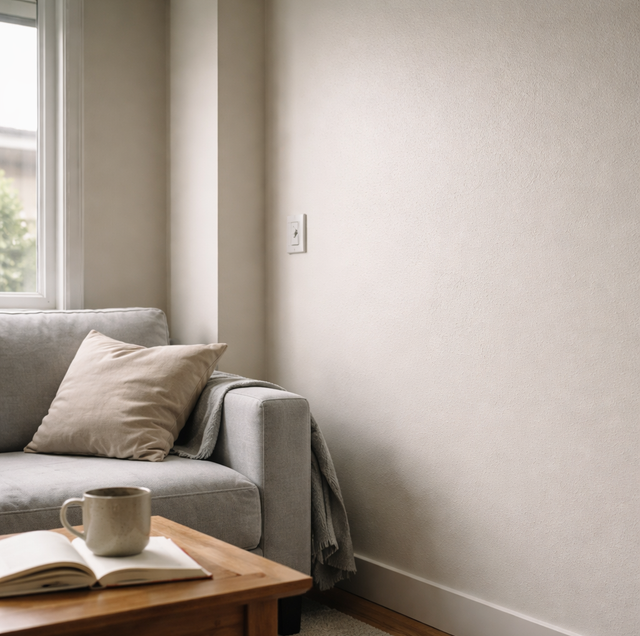
Quick Answer: Use flat on ceilings; matte or eggshell in living rooms and bedrooms; eggshell or satin in hallways and kids' rooms; satin or semi-gloss in kitchens and bathrooms; and semi-gloss or gloss on trim, doors, and cabinets. The rule underneath all of it: the higher the sheen, the more washable and moisture-resistant the paint, but the more it shows every dent and roller mark.
Paint color gets all the attention, but sheen is the choice that decides whether a wall wipes clean or looks scuffed after a month. Two people can pick the same gray and end up with rooms that feel completely different, because one went flat and the other went satin. If you have ever repainted a hallway that stayed grubby no matter how you scrubbed it, or watched a kitchen wall pick up grease shadows near the stove, the sheen was working against you.
What Paint Sheen Actually Is
Sheen is the amount of light a dried paint film bounces back. It runs on a scale from dead flat to mirror-bright, and manufacturers name the steps roughly like this, lowest to highest:
Flat or matte: Almost no reflection. The surface drinks light instead of returning it, which is why flaws seem to vanish.
Eggshell: A soft, low glow, named for the faint sheen of an actual eggshell. A small step up in washability from matte.
Satin: A gentle luster you can see when light rakes across the wall. This is the common middle ground for busy rooms.
Semi-gloss: Noticeably shiny and hard. Light bounces cleanly off it, and so does most dirt.
Gloss: The brightest, hardest, most reflective finish, closer to enamel than to wall paint.
The exact percentages and names shift a little between brands, so a "satin" from one line can read slightly shinier than another brand's satin. The order never changes, though, and neither does the tradeoff built into it.
The One Tradeoff That Drives Every Choice
Here is the physics you actually need. A higher-sheen paint holds more binder and resin near the surface, which is what makes it reflective. That same resin-rich film is harder, tighter, and less porous, so it resists scrubbing, moisture, and stains far better than a flat finish. The cost is that a smooth reflective surface acts like a spotlight for imperfection. Every nail pop, drywall seam, roller lap, and patched spot catches the light and announces itself.
Flat paint does the opposite. Its rougher, more porous film scatters light in every direction, so dings and uneven patches blur into the wall. The same porosity that hides flaws also traps dirt and soaks up moisture, which makes flat harder to clean and quicker to stain.
So the decision for any room comes down to one question: does this surface need to hide flaws, or survive contact? Low-traffic walls you mostly look at want the flaw-hiding end. Surfaces that get touched, splashed, and wiped want the durable end. Everything below is just applying that single tradeoff room by room.
Matching Sheen to Each Room
Ceilings: flat: Ceilings are the easiest call. Nobody leans on a ceiling or wipes it down, so cleanability barely matters, and the wide flat plane shows framing and seam imperfections worse than any wall. Flat ceiling paint hides all of that and kills glare from overhead light. A dedicated flat ceiling paint is formulated thick to cut spatter and roll on evenly overhead.
Living rooms and bedrooms: matte or eggshell: These are look-at rooms more than touch rooms. Walls catch soft light all day, and any imperfection in older plaster or patched drywall will show if the sheen is too high. Matte gives the richest, most even color and the best flaw-hiding. If a room sees a bit more life, adults brushing past, the occasional smudge, eggshell adds a little scrubbability without turning shiny. Modern matte and eggshell products clean up far better than the chalky flats of a couple of decades ago, so the old fear of an unwashable matte wall is mostly outdated.
Hallways and kids' rooms: eggshell or satin: Traffic changes the math. Hallways collect hand drag along the walls, shoulder scuffs, and bag marks at corners. Kids' rooms collect everything. Here you trade a little flaw-hiding for a surface you can actually scrub. Eggshell handles moderate traffic; satin steps up for the hardest-used walls and takes repeated cleaning without burnishing, the shiny worn spot that appears when you scrub a too-flat paint in one place. Satin's tighter film lets marker, fingerprints, and food smears come off with a damp cloth instead of soaking in.
Kitchens and bathrooms: satin or semi-gloss: Moisture and mess push these rooms up the scale. Kitchen walls take airborne grease, steam, and splatter; bathroom walls take shower vapor and splashes. A satin or semi-gloss film sheds that moisture and wipes down cleanly instead of absorbing stains. Semi-gloss goes where contact is heaviest and wettest, such as the wall behind a sink or the splash zone near a tub. Satin covers the broader walls where you still want washability but not a hard shine.
One caution worth stating plainly. A higher-sheen bathroom paint resists surface mildew film and makes it easier to wipe away, but it does not cure a moisture problem behind the wall. If paint keeps peeling, bubbling, or growing mildew in the same spot, the source is water, a leak, failed caulk, or a ventilation gap, and no sheen fixes that. Find and repair the source, then paint.
Trim, doors, and cabinets: semi-gloss or gloss: Trim and doors are the most-handled surfaces in a house, and they need to take knocks without denting the finish. Semi-gloss is the standard for baseboards, casings, and doors because its hard film resists chips and cleans easily, and its shine sets the woodwork off from the softer walls. Cabinets and high-touch doors sometimes go all the way to gloss for maximum hardness, though gloss demands near-perfect prep because it hides nothing. A tougher note about cabinets: an ordinary wall paint will not hold up on them. Cabinets want a hard enamel built to cure to a durable film that survives daily hand contact and cleaning.
Why the Same Color Looks Different in Each Sheen
This trips up almost everyone. You pick one color, brush a matte sample on one wall and a satin sample on another, and they look like two different colors. They are not. Sheen changes how light leaves the surface, and that changes how the eye reads the color.
A flat finish scatters light and mutes the pigment, so the color reads softer, deeper, and a touch darker. A glossier finish reflects light directly back, which lightens the apparent color, adds a cooler cast, and lets the wall pick up reflections and tints from whatever is nearby. The pigment in the can is identical; the surface is doing the talking.
Always test your actual color in your actual sheen, not just the color chip, because the chip tells you nothing about how sheen will shift the color. If you carry one color across rooms but change sheen between them, expect the shades to read a little differently room to room.
A Quick Way to Remember It
Sheen choice works like footwear for a wall. Bedroom walls are house slippers: comfortable, soft, not built for abuse. Hallways and kids' rooms are everyday sneakers: they take real wear and clean up fine. Kitchens, baths, and trim are work boots: harder, tougher, made to be hosed off and keep going. You match the finish to how hard that surface has to work, not to a single favorite you use everywhere.
Before any repaint, two safety notes matter. Keep windows open and air moving while you paint, since even low-odor paints release fumes as they dry. And if your home was built before 1978, the existing paint may contain lead, so test painted surfaces before you sand or scrape rather than releasing dust into the air.
Frequently Asked Questions
You can, and some people do, usually landing on eggshell as the compromise. The catch is that a single sheen can't be right everywhere: eggshell on trim scuffs faster than semi-gloss would, and eggshell in a bathroom wipes down less cleanly than satin. A practical middle path many painters use is two sheens total, eggshell on all walls and semi-gloss on all trim and doors, which covers most of the tradeoff with only two products to buy.
No, and it often behaves the opposite way. Higher-sheen paints flow differently and can be less forgiving to apply, showing lap marks and brush strokes if you overwork them or let an edge dry before you reach it. Coverage depends far more on the paint's pigment quality and the color underneath than on sheen. A common trap is that glossy paint over a patched wall highlights every repair, so those areas may need extra priming or a skim coat that a flat finish would have let you skip.
Go as low as the room's use allows, matte or flat if it's a low-traffic wall, because low sheen is the best camouflage for uneven patchwork and texture differences. If the room needs washability, prime and sand the patched areas smooth first so a satin won't spotlight them. On a heavily repaired ceiling, a flat finish plus a coat of primer over the patches will blend far better than jumping straight to color.
Slightly, and it varies by brand. Traditionally, flat means zero sheen and matte means a hair above it, with matte offering a touch more scrub resistance while keeping the flaw-hiding look. Some manufacturers now use "matte" for a modern flat that cleans up better than old flats did. Read the product's washability rating rather than trusting the name alone, since one brand's matte can outperform another brand's eggshell.
Paint dries to the touch in hours but keeps curing for far longer, often two to four weeks, before the film reaches full hardness. Washing too soon can burnish or lift the finish. If a wall gets dirty during that window, dab gently with a barely damp cloth instead of scrubbing, and save any real cleaning until the paint has fully cured.
Not without prep, because fresh paint won't grip a slick glossy film and will peel. Scuff-sand the old surface to dull the shine and give the new coat something to bite, wipe off the dust, and prime if you're making a big sheen or color change. Skipping this step is one of the most common reasons a repaint on trim or doors starts flaking within months.
Book a color and sheen walkthrough — get the right finish in every room the first time. Elite Edge Painting & Remodeling serves Parkville, Baltimore, and Towson. Call (443) 601-5233.
