
Interior Painting Techniques for Modern Living Spaces
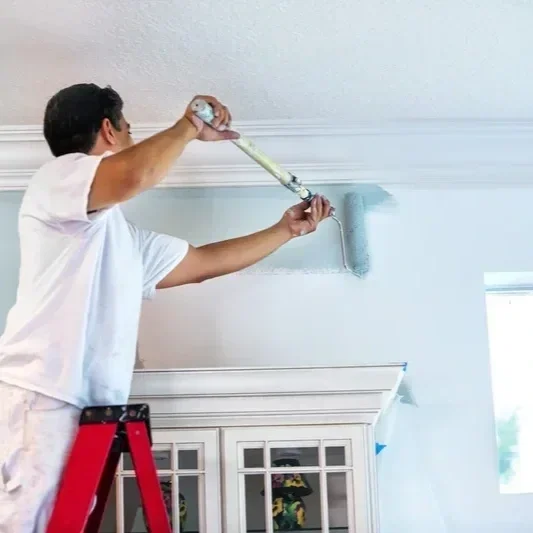
Interior painting is not just about slapping some color on the walls; it's an art form that combines technique, color selection, and a bit of vision to completely change a room's atmosphere.
Transforming your home's interior with a fresh coat of paint is one of the most efficient ways to breathe new life into any room. The right color and technique can make all the difference in designing a space that feels cozy, vibrant, or calm—whatever mood you're aiming for. Interior painting is not just about slapping some color on the walls; it's an art form that combines technique, color selection, and a bit of vision to completely change a room's atmosphere.
Choosing the Right Colors for Your Space
Color is the first thing most people notice when they enter a room. It sets the tone for the entire space. For modern living spaces, it's essential to choose colors that not only reflect your style but also enhance the functionality of the room. Soft, neutral tones, such as whites, grays, and beiges, have been popular choices for creating sleek, open spaces. These colors can make a room feel more expansive, especially when combined with minimalistic décor. For smaller spaces, lighter shades can make the room feel less cramped and more inviting.
On the other hand, bold colors like deep blues, greens, or even terracotta can bring warmth and personality to a room, giving it a unique and stylish flair. Accent walls are a great way to add pops of color without overwhelming the space. You can use a deeper hue on one wall to make a focal point while keeping the rest of the room light and airy.
While modern trends lean toward neutral tones, don't shy away from experimenting with darker colors or vibrant shades, especially in spaces like the living room, dining area, or bedroom. These areas provide the opportunity to get creative with color, allowing you to reflect your personality through your home's aesthetic.
Prep Work: The Secret to a Smooth Finish
No matter how stunning the color choice, an imperfect finish can ruin the overall look. One of the most critical steps in achieving a flawless paint job is proper preparation. Begin by cleaning the surfaces to be painted. Dust, dirt, and grime can keep paint from adhering well, resulting in a patchy or uneven finish.
If you are painting over a darker color or raw surfaces like drywall, apply a coat of primer. Priming not only helps the paint stick better, but it also prevents stains and imperfections from showing through. Please don't skip this step, as it's a game-changer when it comes to durability and smoothness.
Also, take the time to patch up any holes or cracks in the walls. These imperfections can stand out even more after the paint is applied. Fill in any holes with a high-quality spackle, let it dry, and sand the area until smooth.
Technique Matters
Once the surface is prepped, it's time to bring in the proper painting techniques to achieve a professional finish. For modern living spaces, it's essential to choose techniques that create clean lines and a seamless look. Here are a few tips for achieving that perfect paint job:
Use the Right Tools: Brushes, rollers, and sprayers each serve a specific purpose. For detailed areas like trim or corners, use a smaller brush with sharp edges for precision. Rollers are great for covering larger areas, providing an even coat with less effort. A high-quality roller can make a significant difference in the overall smoothness of the paint. For the fastest and most even application, a paint sprayer is the best tool for large, flat surfaces.
Don't Overload the Brush or Roller: A common fault is overloading the brush or roller with too much paint, leading to drips and streaks. It's better to apply multiple thin coats rather than trying to get full coverage in one go. Light coats of paint dry faster and help prevent unsightly drips or puddles.
Work in Sections: Avoid rushing through the process by working in sections. Start by cutting in the edges and corners with a brush, then use a roller to cover the larger areas. Don't try to paint the entire wall in one sweep—working in smaller sections will allow you to hold a wet edge, preventing lap marks.
Use "W" or "M" Strokes: To apply paint smoothly and evenly, use the roller to apply paint in a "W" or "M" shape, filling in the spaces as you go. This technique helps distribute the paint evenly, preventing streaks.
Finish with Clean Edges
The devil is in the details, and clean, sharp edges are essential for achieving a polished look. Use painter's tape to mask off edges where the walls meet the ceiling, trim, or windows. Painter's tape prevents any accidental splatters on trim or baseboards and helps you achieve those clean lines.
Once the paint has dried, carefully remove the tape while the paint is still slightly sticky. Pull the tape off at a 45-degree angle to avoid peeling away the paint. If the tape pulls up some paint, use a small brush to touch up the edges for a flawless finish.
Lighting and Accents Make a Difference
Even the best paint job can look dull without the proper lighting—a modern living space benefits from a combination of natural light and carefully chosen artificial light sources. Consider using recessed lighting or LED fixtures to highlight certain areas of the room. Soft, warm lighting can make a welcoming atmosphere, while cooler hues can make the space feel more energetic and vibrant.
Pairing your new paint job with thoughtfully selected décor accents can also elevate the overall look. Whether it's choosing complementary throw pillows, curtains, or artwork, these elements can tie everything together and highlight the beauty of the fresh paint. For example, if you painted your walls in a soft neutral tone, bringing in bold colors through your décor can add interest without overwhelming the room.
Maintenance and Touch-Ups for Long-Term Beauty
Keeping your living spaces looking pristine doesn't end once the paint has dried. Over time, dust, dirt, and even everyday wear and tear can cause scuff marks or fading. Routine cleaning is necessary to maintain the integrity of your paint job.
When cleaning walls, use a soft cloth and mild soap to avoid damaging the finish. For areas that see more activity, like hallways or kids' rooms, touch-ups may be necessary every few years. Keep leftover paint on hand for these small repairs. A fast touch-up can keep your walls looking fresh and vibrant for years to come.
When you treat your walls right and address any wear before it becomes noticeable, your interior paint job will continue to look stunning long after the initial application.
Why Professional Painting Services Make a Difference
While DIY painting projects can be enjoyable and cost-effective, hiring professional painters often results in a more polished and lasting outcome. Professional painters have access to high-quality tools and materials, ensuring an even finish and precise application. They also have the experience to know which techniques work best for various surfaces, ensuring a smooth, durable, and beautiful result.
Additionally, professionals can tackle hard-to-reach areas, such as vaulted ceilings, intricate trim, or high walls, saving you time and effort. And, most importantly, they handle all the prep work and clean-up, leaving you with a beautifully painted home and none of the mess.
Interior painting isn't just about applying color to the walls—it's about creating an atmosphere that reflects your personality and lifestyle. With the right techniques, tools, and color choices, you can transform any room into a space that feels fresh, modern, and welcoming. Whether you're updating your living room or giving your entire home a facelift, a professional-quality paint job can add long-lasting beauty to your living spaces for years to come.
Elite Edge Painting & Remodeling offers professional exterior painting, interior painting, tile installation, and tile replacement and repair solutions in Parkville, MD. We adhere to the highest standards and use top-quality materials to guarantee superior workmanship. Call us today for a free quote.