
Creative Accent Wall Painting for Unique Home Decor
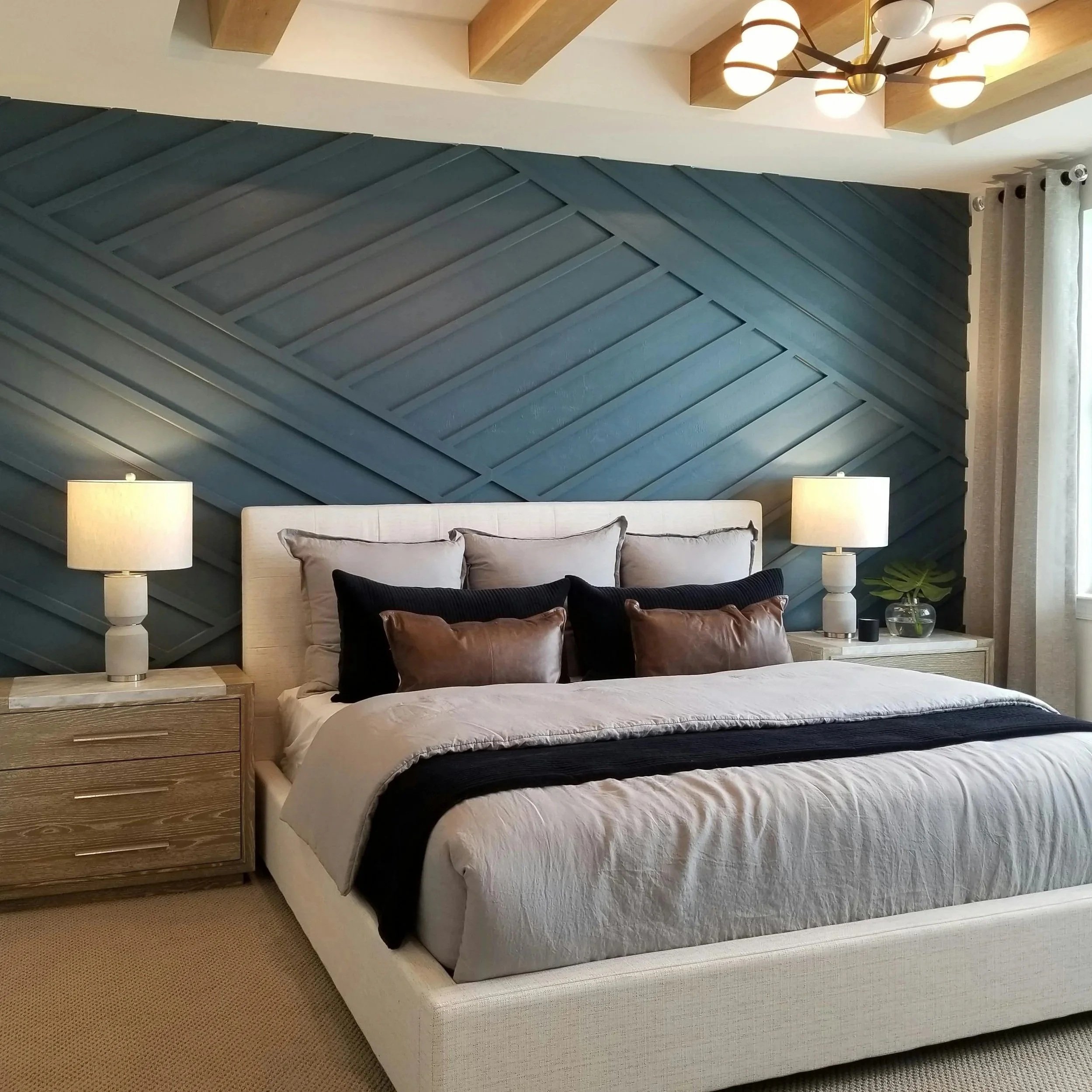
For homeowners who crave change but prefer to skip the renovation mess, it's the ideal creative outlet.
Walls don't always have to blend into the background. When given a little personality, they become the star of the room. Accent wall design and painting offer a clever way to break up space, add depth, and infuse a home with character without covering every surface in bold hues. With one strategic splash of color or pattern, an ordinary wall transforms into something unexpectedly delightful.
A well-executed accent wall brings an artistic spark without demanding a total room overhaul. It plays nicely with existing furniture, highlights architectural features, and introduces a sense of movement that flat, uniform walls can't achieve. For homeowners who crave change but prefer to skip the renovation mess, it's the ideal creative outlet.
Color as a Statement, Not a Shout
Choosing the right color for an accent wall is less about picking a favorite and more about understanding tone, contrast, and mood. A moody navy in a cozy den might feel rich and grounded, while a spicy terracotta in a sunroom adds vibrancy without overwhelming. Accent wall painting allows homeowners to dip a toe into daring color choices without fully committing to a full-on color scheme.
It's all about balance—a bold wall pairs well with lighter neutrals elsewhere in the room. Soft furnishings can either echo the accent color or provide a contrasting effect. When done with intention, color acts like punctuation in a sentence—bold enough to catch the eye, subtle enough to keep the story flowing.
Texture and Pattern for the Brave at Heart
Flat paint works wonders, but texture adds drama. Accent walls provide the perfect canvas for finishes such as brushed metallics, limewash, faux concrete, or suede textures. These effects elevate a room by inviting interaction—not through touch necessarily, but by drawing the gaze again and again.
Patterns also have their place. Geometric designs, wide stripes, soft gradients, or hand-painted murals bring dimension and movement. A single patterned wall in a modern living room or behind a bed can significantly alter the entire perception of the space. Done right, it turns an otherwise static room into a visual adventure.
A thoughtful layout keeps patterns from feeling chaotic. Centering design elements on the wall, anchoring them with furniture, or aligning them with natural architecture helps maintain flow. It's not about random splashes—it's about purposefully placed art that happens to live on drywall.
Let Architecture Lead the Way
Every home has a wall begging for attention. Often it's the one behind the headboard, the chimney breast, or the first surface seen when walking into a room. Accent wall painting isn't a guessing game—it's about highlighting what's already working well.
In open-concept spaces, accent walls help define zones without building barriers. A deep green wall in the dining nook sets it apart from the living area without ever lifting a hammer. In long hallways or oddly shaped rooms, a painted feature draws focus and adds structure.
Corners, niches, and alcoves shine especially bright when used creatively. A painted ceiling cove, stairwell, or wall niche gives character where architectural quirks once looked unfinished. When paint works in harmony with a space's structure, it feels as though it has belonged there all along.
The Power of Paint Without the Price Tag
One of the greatest joys of accent wall design is its power-to-cost ratio. A single can of paint and a day's work bring about a transformation that rivals much larger home upgrades. Whether it's a DIY weekend project or a professionally executed design, the return in visual impact is hard to beat.
Accent walls also work well with changing tastes. A bright teal that felt playful one year can be swapped for a grounding mushroom gray the next. Paint allows rooms to evolve as styles shift, seasons change, or a new couch rolls in.
Professionals bring more than clean lines—they bring an eye for proportion, color theory, and technique. When homeowners know what they like but can't quite picture the result, painters bridge the gap between vision and execution. Clean edges, proper priming, and knowing when to roll or brush all influence the final look.
Playing with Light and Perspective
Lighting loves an accent wall. Whether it's natural sunlight pouring in or a strategically placed sconce casting dramatic shadows, painted walls interact with light in surprisingly expressive ways. Gloss levels also matter. Matte finishes offer soft elegance, while eggshell and satin reflect light just enough to keep things lively.
In small spaces, darker accent walls actually expand the room by adding contrast and dimension. In larger spaces, they draw the eye inward, creating a sense of comfort and containment. It's visual trickery at its best—smart design meets optical illusion.
Where to Paint and Why It Works
Living rooms often shine with a single dramatic wall, typically the one holding the entertainment center or fireplace. In bedrooms, the headboard wall takes center stage, grounding the space and anchoring decor. Dining rooms love rich tones that add intimacy, while home offices often benefit from energetic colors that stimulate focus.
Bathrooms aren't off-limits, either. A bold wall behind a freestanding tub or vanity adds spa-like luxury. Entryways make a striking first impression with color, setting the mood before anyone even hangs their coat. Every room has its moment, and accent wall painting finds it.
Small Details, Big Impact
Details complete the look. Outlets, trim, and crown molding deserve attention during an accent wall makeover. Clean lines where walls meet ceilings and floors make the color pop even more. Taping with precision or using a paint shield brings polish to a project that could otherwise feel rushed.
For homes with built-in shelving or wall panels, painting the background of shelves or the inside of moldings gives an extra kick without painting everything in sight. Even small color fields pack a punch when framed correctly.
Conclusion
Accent wall design and painting transform rooms not by overpowering them, but by giving them a focal point, a personality, and a story to tell. From bold colors to intricate patterns, the right accent wall makes a space feel more alive, more curated, and—most importantly—more personal.
With thoughtful color choices, professional application, and a playful spirit, walls become more than boundaries. They become artful expressions of how a space should feel and function. In the world of home decor, few upgrades offer as much creativity for as little commitment—and few make such a strong first impression.
Elite Edge Painting & Remodeling offers professional exterior painting, interior painting, tile installation, and tile replacement and repair solutions in Parkville, MD. We adhere to the highest standards and use top-quality materials to guarantee superior workmanship. Call us today for a free quote.